
49.00 $ Vigor Boost: 10 Natural Ways to Boost Energy & Vitality San Diego
- Location: San Diego, California, United States
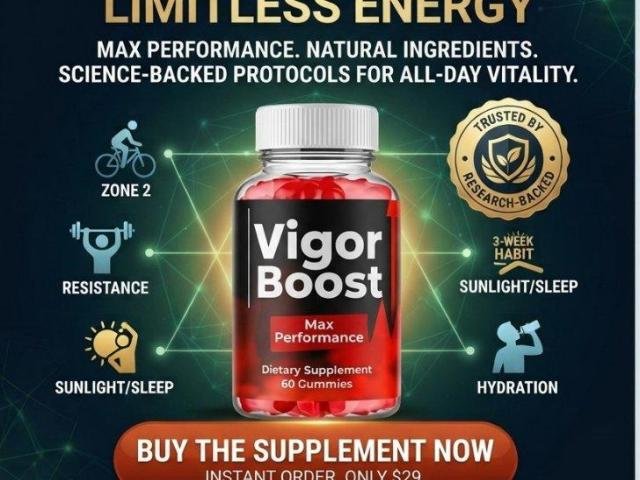
You don't need a caffeine crash or a bottle of pills to feel sharp, strong, and alive all day. The most reliable vigor boost comes from the systems your body already has: your heart, your muscles, your mitochondria, and your sleep. As a strength and conditioning coach, I've watched hundreds of clients trade 5 a.m. grogginess for steady, all-day energy by changing how they move, eat, and recover.
This guide breaks down 10 natural, evidence-based strategies that work together to raise your baseline energy and vitality. No supplements required. No extreme protocols. Just practical steps you can start this week.
Quick Answer: The top 5 natural ways to boost energy and vitality are: (1) 30 minutes of zone 2 cardio most days, (2) two to three resistance training sessions weekly, (3) 7–9 hours of quality sleep, (4) drinking 8–10 cups of water daily, and (5) eating nutrient-dense meals rich in B vitamins, iron, and magnesium. Stack these habits and you'll feel a measurable difference in stamina, mood, and focus within two to three weeks.
Learn more about Vigor Boost and see whether it fits your wellness goals. Check It Out Now!
1. Zone 2 Aerobic Exercise
Zone 2 cardio means exercising at a pace where you can hold a conversation but can't sing. Your heart rate sits roughly at 60–70% of your maximum. This intensity is the single best builder of mitochondrial density—the tiny power plants in your cells that turn food into usable energy.
How to do it: Pick an activity you enjoy—brisk walking, cycling, swimming, or rowing. Aim for 30–45 minutes, 4–5 days per week. On a treadmill, that's often a 3.0–4.5 mph pace at a slight incline. On a bike, keep your cadence around 80–90 rpm at a moderate resistance.
Why it works: Research published in the Journal of Applied Physiology shows that regular moderate-intensity aerobic training increases mitochondrial biogenesis and improves oxygen delivery to working muscles, which translates to less fatigue during daily tasks. TheCDC recommends at least 150 minutes of moderate aerobic activity per week for adults, and zone 2 training is the most efficient way to hit that target without burning out.
Sets and structure: 1 session, 30–45 min continuous. Rest: none (it's steady-state). If you're brand new, start with 15 minutes and add 5 minutes every week.
Progression: Add 5 minutes per week until you hit 45–60 minutes. Then try adding a second weekly session.

2. Resistance Training with Compound Movements
Lifting weights isn't just about building muscle. It's about building the metabolic engine that keeps you energized. Compound lifts—squats, deadlifts, rows, presses, and kettlebell swings—recruit large muscle groups, spike growth hormone, and improve insulin sensitivity, all of which support steady blood sugar and sustained energy.
How to do it: Train 2–3 days per week, hitting each major muscle group. A simple split looks like this:
-
Day A (Lower + Core): Barbell back squat 3×8, Romanian deadlift 3×10, plank 3×45 sec
-
Day B (Upper + Core): Dumbbell bench press 3×10, bent-over row 3×10, hanging knee raise 3×12
-
Day C (Full Body): Kettlebell swing 4×15, push-up 3×12, goblet squat 3×12
Why it works: TheACSM's position stand on resistance exercise notes that progressive resistance training improves resting metabolic rate, body composition, and functional capacity in adults. More muscle mass means more cells burning glucose and fatty acids at rest, which keeps your energy supply steady rather than spiky.
Coach's Tip: Focus on the eccentric (lowering) phase. Take 2–3 seconds to lower the weight, then drive up in 1 second. That slower tempo builds more muscle and stimulates greater metabolic response than bouncing the weight.
Easier version (regression): Replace barbell squats with bodyweight squats to a chair. Swap dumbbell bench press for incline push-ups on a bench. Use 25–35 lb (11–16 kg) dumbbells for rows if barbells feel intimidating.
Harder version (progression): Add a 4th set, drop rest to 60 seconds, or increase load by 5 lb (2.3 kg) per session.
Learn more about Vigor Boost and see whether it fits your wellness goals. Check It Out Now!

3. High-Intensity Interval Training (HIIT)
Once you've built a 4–6 week zone 2 base, add one or two HIIT sessions per week. Short bursts of all-out effort followed by brief recovery windows push your cardiovascular system and anaerobic capacity to adapt faster than steady-state work alone.
How to do it: A classic 4-minute protocol: 30 seconds all-out effort (sprint, rowing, jump rope, or burpees) followed by 90 seconds of easy movement. Repeat 8 rounds. Total time: about 16 minutes plus a 5-minute warm-up.
Why it works: A meta-analysis in Medicine & Science in Sports & Exercise found that HIIT improves VO₂ max (your maximum oxygen uptake) as effectively as longer moderate sessions in a fraction of the time. Higher VO₂ max means your heart and lungs deliver oxygen more efficiently, so everyday tasks feel less taxing.
Common Mistake: Going too hard on the "easy" intervals. If you're gasping during the 90-second recovery, you're not recovering. Slow down to a true walk or very light spin. The contrast between hard and easy is what drives adaptation.
Safety note: If you have a history of heart disease, uncontrolled hypertension, or joint injuries, talk to your doctor before adding sprinting or plyometric work.
4. Prioritize 7–9 Hours of Quality Sleep
No amount of coffee or green tea replaces a full night of sleep. During deep sleep, your body repairs muscle tissue, consolidates memories, and resets cortisol (the stress hormone that, when chronically elevated, drains your energy).
How to do it:
-
Set a consistent bedtime and wake time, even on weekends.
-
Keep your bedroom cool (65–68 °F / 18–20 °C) and dark.
-
Stop screens 30–60 minutes before bed.
-
Avoid caffeine after 2 p.m. and alcohol within 3 hours of bedtime.
Why it works: Harvard Health Publishing notes that adults who consistently sleep fewer than 7 hours show impaired glucose tolerance, elevated inflammatory markers, and reduced daytime alertness. TheNational Sleep Foundation recommends 7–9 hours for adults.
Practical tip: If you can't get a full 8 hours, protect the first 6 hours. The majority of deep sleep and growth hormone release happens in the first half of the night.
5. Hydrate to Performance Level
Even mild dehydration (losing just 2% of body water) impairs cognitive focus, raises heart rate, and makes exercise feel harder. Most adults don't drink enough, especially if they rely on coffee or soda for "hydration."
How to do it: Aim for 8–10 cups (about 2–2.5 liters) of water spread through the day. A simple rule: drink a 16-oz (473 ml) glass right when you wake up, another before each meal, and keep a bottle at your desk.
Why it works: TheNIH National Institute of Diabetes and Digestive and Kidney Diseases explains that proper hydration supports blood volume, nutrient transport, and thermoregulation. When your blood volume drops from dehydration, your heart has to beat faster to move the same amount of oxygen, which makes everything feel more tiring.
Progression for athletes: If you train in hot weather or do sessions longer than 45 minutes, add electrolytes (sodium, potassium, magnesium) and drink 16–20 oz (473–591 ml) every 20 minutes of exercise.
Learn more about Vigor Boost and see whether it fits your wellness goals. Check It Out Now!
6. Eat Nutrient-Dense Meals That Fuel Mitochondria
Your mitochondria need specific micronutrients to convert food into ATP (cellular energy). B vitamins, iron, magnesium, and omega-3 fatty acids are the key players.
How to do it:
-
Breakfast: Eggs (choline, B12), Greek yogurt (protein, B2), berries (antioxidants)
-
Lunch: Lean protein (chicken, fish, legumes), leafy greens (iron, folate), whole grains (B vitamins, magnesium)
-
Dinner: Fatty fish like salmon or sardines (omega-3s, vitamin D), sweet potato or quinoa, roasted vegetables
-
Snacks: Nuts (magnesium, healthy fats), dark chocolate (iron, flavonoids)
Why it works: A review in the American Journal of Clinical Nutrition links adequate B-vitamin and iron status to reduced fatigue and improved cognitive performance. Deficiencies in these nutrients are among the most common causes of unexplained low energy, especially in women.
Practical tip: If you're not sure whether you're deficient in iron, B12, or vitamin D, ask your doctor for a simple blood panel. Supplementing without a confirmed deficiency can cause more harm than good. For a deeper look at which nutrients support normal energy metabolism, see our guide onnutrients for energy metabolism.
7. Get 15–20 Minutes of Sunlight Daily
Vitamin D is synthesized in your skin when UV-B rays hit it. Beyond bone health, vitamin D receptors are found in brain tissue, muscle, and immune cells. Low levels are linked to fatigue, low mood, and muscle weakness.
How to do it: Step outside for 15–20 minutes around midday (10 a.m.–2 p.m.) with your arms and face exposed. No sunscreen needed for that short window. In winter or in northern latitudes, aim for 20–30 minutes or consider a 1,000–2,000 IU daily supplement after checking levels with your doctor.
Why it works: TheMayo Clinic notes that vitamin D deficiency is common and associated with fatigue and musculoskeletal pain. Getting adequate sunlight also helps regulate your circadian rhythm, which improves sleep quality and morning alertness.
8. Use Cold Exposure to Wake Up Your Nervous System
A brief cold shower, a cold plunge, or even holding an ice pack to your neck for 30 seconds activates the sympathetic nervous system and increases norepinephrine (adrenaline) levels. The result is a sharp, natural alertness that lasts 60–90 minutes.
How to do it: End your morning shower with 30–60 seconds of cold water (50–59 °F / 10–15 °C). Start with 15 seconds and build up over two weeks. Breathe slowly and deeply through your nose to keep your heart rate steady.
Why it works: A 2015 study in Experimental Physiology (published via PubMed/PMC) found that cold-water immersion increased norepinephrine by up to 530% compared to baseline. This spike in catecholamines improves focus, mood, and perceived energy without the crash that comes from caffeine.
Safety note: Don't do cold exposure if you have Raynaud's phenomenon, uncontrolled high blood pressure, or a heart condition. Start with cold water on your wrists and neck rather than a full plunge.
9. Practice Box Breathing to Activate the Parasympathetic System
Chronic stress keeps your body in "fight or flight" mode, which burns through energy stores and leaves you feeling wired but exhausted. Box breathing (4-4-4-4) shifts your nervous system into "rest and digest," lowering cortisol and heart rate.
How to do it:
-
Inhale through your nose for 4 counts.
-
Hold for 4 counts.
-
Exhale through your mouth for 4 counts.
-
Hold empty for 4 counts.
-
Repeat for 4–6 rounds (about 2–3 minutes).
Do this first thing in the morning, before a workout, or during a mid-afternoon slump.
Why it works: Research in Frontiers in Psychology (indexed on PubMed) shows that slow, paced breathing increases heart-rate variability (HRV), a marker of autonomic nervous system balance. Higher HRV is associated with better stress resilience, faster recovery, and sustained energy throughout the day.
Coach's Tip: Pair box breathing with a 5-minute walk outside. The combination of light movement, fresh air, and controlled breathing is one of the fastest natural vigor boost tools I recommend to clients who hit a 2 p.m. wall.
Learn more about Vigor Boost and see whether it fits your wellness goals. Check It Out Now!
10. Build NEAT Into Your Day (Non-Exercise Activity Thermogenesis)
NEAT is the energy you burn from everything that isn't a formal workout: walking to your car, taking the stairs, standing while on the phone, pacing during a meeting. For most sedentary adults, NEAT accounts for a larger chunk of daily calorie burn than a 30-minute gym session.
How to do it:
-
Stand or walk for 5 minutes every hour you sit.
-
Take a 10-minute walk after lunch.
-
Use a standing desk for at least 2 hours per day.
-
Park farther away. Take the stairs. Do light chores while listening to a podcast.
Why it works: TheHHS Physical Activity Guidelines for Americans emphasize that reducing sedentary time independently improves cardiovascular markers, blood sugar regulation, and mood. Breaking up prolonged sitting restores blood flow to the legs and core, reduces stiffness, and keeps your metabolic rate from dipping.
Practical tip: Set a phone alarm every 60 minutes. When it goes off, stand up, stretch your hips, and walk for 3–5 minutes. That's it. Over a workday, you'll accumulate 30–40 minutes of extra movement without "working out."
How to Put All 10 Into a Weekly Routine
You don't need to do all 10 perfectly on day one. Here's a realistic weekly template:
Progression plan: Weeks 1–2, focus on building the habit (sleep, hydration, 3 zone 2 sessions, 2 resistance days). Weeks 3–4, add HIIT and cold exposure. Weeks 5–8, increase zone 2 duration to 45 min and add a 4th resistance day.

Learn more about Vigor Boost and see whether it fits your wellness goals. Check It Out Now!
Safety Tips and Who Should Check With a Doctor First
-
Heart conditions, uncontrolled hypertension, or recent surgery: Get medical clearance before adding HIIT, heavy resistance training, or cold exposure.
-
Pregnancy or postpartum: Consult your OB or a pelvic-floor physical therapist before starting new exercise protocols.
-
Joint injuries (knees, shoulders, lower back): Modify movements (e.g., swap running for cycling, use lighter loads, avoid overhead pressing) and work with a physical therapist.
-
Medications: Beta-blockers, diuretics, and blood thinners can affect heart-rate zones, hydration needs, and cold-weather exercise. Ask your pharmacist.
-
Chronic fatigue or unexplained low energy: Rule out thyroid dysfunction, anemia, or sleep apnea with your primary care provider before attributing it to lifestyle alone.
This article is for general information and is not a substitute for advice from a doctor or physical therapist.
FAQ
How long does it take to feel a natural energy boost from exercise?
Most people notice improved stamina and less afternoon fatigue within 2–3 weeks of consistent zone 2 cardio and resistance training. Measurable changes in VO₂ max and mitochondrial function typically appear after 6–8 weeks of regular training, according to ACSM guidelines.
Can I boost my energy without going to a gym?
Absolutely. Walking, cycling, swimming, bodyweight exercises, and hiking all count. The key is consistency: at least 150 minutes of moderate movement per week plus two days of resistance work using bands, dumbbells, or your own body weight.
Does caffeine count as a natural energy boost?
Caffeine is a natural compound, but it works by blocking adenosine receptors rather than building your body's energy systems. Relying on it daily can mask poor sleep or nutrition habits. If you use caffeine, keep it to 200–400 mg (about 1–2 cups of coffee) and stop by 2 p.m.
What's the best time of day to exercise for energy?
Morning exercise (6–9 a.m.) helps set your circadian rhythm and can improve alertness for the rest of the day. However, consistency matters more than timing. If you only show up in the evening, that's fine. TheWHO physical activity guidelines emphasize regular movement over specific hours.
Do I need supplements to boost vitality naturally?
No. Whole foods, sunlight, sleep, and movement cover the bases for most people. If a blood test shows a deficiency (iron, B12, vitamin D), a targeted supplement under medical guidance may help. Otherwise, focus on the 10 habits in this guide. For more on which nutrients matter, see our guide onvitamins that support metabolism.
How does sleep quality affect my energy more than sleep duration?
A single night of fragmented sleep (waking up 3+ times) can reduce next-day alertness and glucose tolerance as much as losing 2 hours of total sleep. Protecting sleep quality—cool room, no screens, consistent schedule—matters as much as hitting a number. Learn more in our article onhow sleep affects metabolism and weight.
Learn more about Vigor Boost and see whether it fits your wellness goals. Check It Out Now!
Conclusion: Your Natural Vigor Boost Starts With Small, Consistent Steps
You don't need a magic pill or a 5 a.m. ice bath to feel more alive. The 10 strategies in this guide—zone 2 cardio, resistance training, HIIT, quality sleep, hydration, nutrient-dense eating, sunlight, cold exposure, box breathing, and daily movement—work as a system. Pick two or three that feel doable this week. Stack them. Give it three weeks.
Your mitochondria, your heart, your nervous system, and your metabolism are all trainable. The vigor boost you're looking for isn't a product on a shelf. It's the compound effect of showing up, moving well, eating real food, and letting your body recover. Start small. Stay consistent. The energy will follow.

STEP 7: SOURCES LIST
-
CDC. "Physical Activity Guidelines for Americans." U.S. Department of Health and Human Services, 2018.https://www.cdc.gov/physicalactivity/basics/pag-index.htm
-
HHS. "Physical Activity Guidelines for Americans, 2nd Edition." 2018.https://health.gov/physical-activity
-
World Health Organization. "Physical Activity." 2022.https://www.who.int/health-topics/physical-activity
-
NIH, National Institute of Diabetes and Digestive and Kidney Diseases. "Hydration."https://www.niddk.nih.gov/health-information/women/health-care/hydration
-
American College of Sports Medicine. "Position Stand: Exercise and Physical Activity for Older Adults" / General resistance training guidelines.https://www.acsm.org/health-fitness/position-statements
-
Mayo Clinic. "Vitamin D Deficiency: Symptoms, Causes, and Treatment."https://www.mayoclinic.org/diseases-conditions/vitamin-d-deficiency/symptoms-causes/syc-20374614
-
Harvard Health Publishing. "Sleep and the brain: How sleep affects cognitive function and mood." Harvard Medical School.https://www.health.harvard.edu
-
National Sleep Foundation. "How Much Sleep Do We Really Need?" 2023.https://www.sleepfoundation.org/how-sleep-works/how-much-sleep-do-we-really-need
-
Medicine & Science in Sports & Exercise (ACSM Journal). HIIT and VO₂ max meta-analyses.https://journals.lww.com/acsm-msse
-
Frontiers in Psychology (PubMed/PMC). Paced breathing and heart-rate variability.https://pubmed.ncbi.nlm.nih.gov
Learn more about Vigor Boost and see whether it fits your wellness goals. Check It Out Now!
Useful information
- Avoid scams by acting locally or paying with PayPal
- Never pay with Western Union, Moneygram or other anonymous payment services
- Don't buy or sell outside of your country. Don't accept cashier cheques from outside your country
- This site is never involved in any transaction, and does not handle payments, shipping, guarantee transactions, provide escrow services, or offer "buyer protection" or "seller certification"
Related listings
-
 Primordial Vigor X: Advanced Male Stamina & Performance Support ReviewMen’s Health - Los Angeles (California) - November 3, 2026 49.00 $
If you are looking to push through plateaus in the gym and maintain high energy throughout the day, you have likely encountered Primordial Vigor X: Advanced Male Stamina & Performance Support. As a strength and conditioning coach, I evaluate supp...
-
 Max Vitalize Advanced Formula - All-Natural Daily Vitality Pills Review: A Coach’s Evidence-Based GuMen’s Health - Los Angeles (California) - November 2, 2026 49.00 $
As a strength and conditioning coach, I evaluate supplements based on one core question: do the ingredients match the claims? The Max Vitalize Advanced Formula - All-Natural Daily Vitality Pills has gained attention among adults over 40 who want to m...
-
 Premium Tupi Tea Botanical Blend | Daily Male Health & Endurance ReviewMen’s Health - San Jose (California) - November 1, 2026 Check with seller
As a certified strength and conditioning coach, I constantly evaluate new wellness products to see if they actually deliver on their promises. Men today face unique physical and mental demands, from high-pressure jobs to intense training schedules. F...