
39.00 $ CaviArgan Reviews 2026: Does This Anti-Aging Cream Really Work? Honolulu
- Location: Honolulu, Hawaii, United States
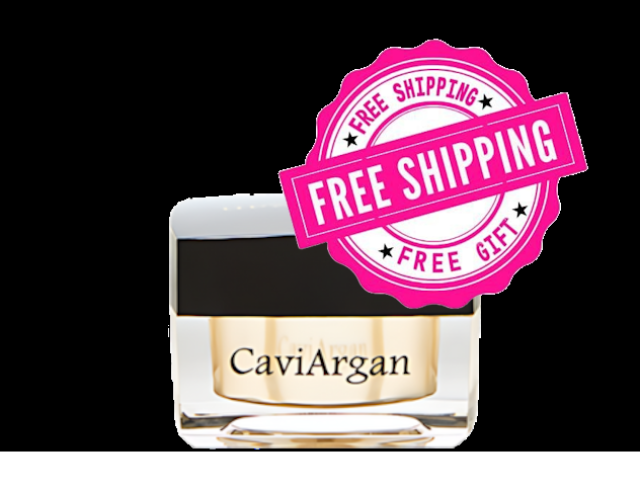
CaviArgan is marketed as "the only argan-caviar-retinol cream on earth," sold in jars from $60 to $149 with an unusually generous one-year money-back guarantee.
Here's what makes this review different from most supplement reviews: retinol genuinely works. It's the most thoroughly researched topical anti-aging ingredient in dermatology, with decades of clinical evidence for fine lines, texture, and pigmentation. Argan oil is a legitimate emollient. So unlike many products in this space, the core premise isn't nonsense.
The problems are elsewhere. The retinol concentration isn't disclosed anywhere — and on a retinol product, that's the number that determines whether it works at all. The page also instructs twice-daily use including mornings, which is the wrong advice for retinol and could make your skin worse rather than better. And there's no mention of sunscreen, which is genuinely important here.
👉 Check current CaviArgan pricing and package options »
⚠️ Read This Before You Use It
1. Don't use retinol in the morning. The page says "use twice daily, in the morning and evening." That's incorrect for retinol. Retinol degrades in UV light, making it less effective, and it increases your skin's sun sensitivity. Dermatologists universally recommend applying retinol at night only. Using it in the morning wastes product and increases irritation and sun damage risk.
2. You must wear sunscreen daily with any retinol. The sales page never mentions this. Retinol thins the stratum corneum initially and increases photosensitivity — using it without daily SPF can worsen the pigmentation and fine lines you're trying to treat. This isn't optional.
3. Skip it if you're pregnant or trying to conceive. Topical retinol carries far lower risk than oral retinoids, but dermatologists and obstetricians generally advise avoiding all retinoids during pregnancy and breastfeeding as a precaution. The page's generic disclaimer mentions pregnancy but never flags the retinoid specifically.
4. "Gentle enough for all skin types" isn't how retinol works. Retinol commonly causes dryness, peeling, redness, and irritation during the first few weeks — this is so well known it has a name, "retinization." A product can be mild, but no effective retinol is universally gentle.
5. If you have a fish or shellfish allergy, caviar extract is a consideration. Check the full label before use.
What Is CaviArgan?
CaviArgan is a topical face and body cream built around three named ingredients: retinol, caviar extract, and Moroccan argan oil. It's marketed to women over 45 as an all-in-one replacement for a multi-product skincare routine, targeting wrinkles, dark circles, neck lines, age spots, dryness, and crepey skin.
It's sold direct-to-consumer online with no retail distribution. Notably, the page names two different retailers — ClickBank in the disclaimer and Digistore24 in the checkout footer. That's unusual and worth noting when you're identifying who actually processes your refund.
The missing ingredient list
This is the biggest problem with evaluating CaviArgan.
The FAQ includes the question "What are the ingredients in the cream?" — but no answer is displayed. There's a "Label" link in the footer, but the full INCI ingredient list isn't presented anywhere on the sales page.
For a skincare product this matters enormously, and for a retinol product it's close to disqualifying, because:
- Retinol concentration determines everything. Products range from 0.01% (essentially decorative) to 1% (strong, prescription-adjacent). A 0.01% cream and a 0.5% cream are completely different products with completely different results and side effects. You cannot evaluate a retinol product without this number.
- Formulation matters as much as concentration. Retinol is notoriously unstable — it degrades with light and air exposure. A jar is the worst possible packaging for retinol, because every opening exposes the whole product to air. Serious retinol products use opaque, airless pumps or sealed tubes for exactly this reason.
- Allergens and irritants can't be checked without the list.
Ask for the full INCI list and the retinol percentage before ordering. Any legitimate skincare seller will provide both.
A formulation contradiction worth noting
The page describes the product as a "peptide-rich formulation" that asserts "its superiority over traditional retinol treatments."
But peptides aren't among the three named ingredients, and the rest of the page is built entirely around the argan-caviar-retinol story. Either there are significant ingredients not being disclosed, or that line was carried over from different marketing copy. Either way, it's another reason to see the actual label.
👉 Check the product label and current pricing »
CaviArgan Ingredients: What the Evidence Says
Retinol — genuinely excellent, and the reason this could work
Retinol is the best-evidenced over-the-counter anti-aging ingredient that exists. This isn't marketing — it's dermatological consensus backed by decades of research.
What retinol genuinely does:
- Increases cell turnover, improving texture and smoothness
- Stimulates collagen production — genuinely, through retinoic acid receptor activation
- Reduces fine lines and wrinkles with consistent long-term use
- Improves hyperpigmentation and age spots by dispersing melanin
- Helps acne through comedolytic action
So the page's claim that retinol "reduces the appearance of fine lines, wrinkles and improves skin tone by boosting collagen production" is substantially accurate — unusually so for this kind of marketing.
But the caveats matter:
- It takes time. Meaningful changes take 12 weeks minimum, with continued improvement over 6–12 months. Claims about visible results in days aren't realistic.
- Concentration determines efficacy. Below roughly 0.1%, benefits become marginal.
- Retinization is normal. Expect dryness, flaking, and sensitivity for 2–6 weeks. Starting 2–3 nights a week and building up reduces this.
- Packaging determines stability. Again — a jar is genuinely poor packaging for retinol.
Argan Oil — legitimate, well-supported
Moroccan argan oil is a genuine emollient with real research behind it. It's rich in vitamin E, oleic and linoleic acids, and has reasonable evidence for improving skin hydration and barrier function, with some research on elasticity in postmenopausal women.
It's also a sensible pairing with retinol — the moisturizing effect helps counteract retinol-induced dryness. That's a thoughtful formulation choice.
It does not, however, "boost collagen" or reverse aging. It moisturizes well, which makes skin look better. That's a real benefit stated honestly.
Caviar Extract — luxury marketing, minimal evidence
Caviar extract appears in premium skincare primarily because it sounds expensive. The marketing rationale is that it provides amino acids, omega fatty acids, and minerals.
The evidence is thin. There's no meaningful clinical research demonstrating caviar extract produces skin benefits beyond what any decent moisturizing ingredient provides. Its primary function in this formula is almost certainly positioning — it's the ingredient that justifies "celebrity-like treatment" language.
Practical note: it's a fish-derived ingredient. Relevant if you have a fish allergy, and it makes the product unsuitable if you're vegan.
Ingredient verdict
| Ingredient | Evidence | Assessment |
|---|---|---|
| Retinol | ⭐⭐⭐ Excellent — gold standard | ⚠️ Concentration undisclosed; jar packaging |
| Argan Oil | ⭐⭐ Good emollient | Sensible pairing with retinol |
| Caviar Extract | Minimal | Marketing ingredient; fish allergen |
| "Peptides" | Claimed but unlisted | Contradicts ingredient story |
The honest summary: two of three ingredients are genuinely worthwhile, and retinol plus a good emollient is a legitimately sensible anti-aging combination. That's more than most products in this space offer.
But you're being asked to buy a retinol product without being told how much retinol is in it, packaged in a container that degrades retinol, with instructions to use it at the wrong time of day.
Claims That Don't Hold Up
Several statements on the page need correcting.
"Can shrink pores." Pore size is largely genetically determined and cannot be permanently reduced by any topical product. Retinol can make pores appear smaller by clearing them and improving surrounding texture — a real and worthwhile effect, but "shrinking" isn't what's happening.
"Turn back the hands of time by prolonging cell and tissue life span." This describes a biological effect, not a cosmetic one. In FDA terms, cosmetics affect appearance; claims about altering structure or function edge into unapproved drug territory. The page's own disclaimer — "not intended to diagnose, treat, cure or prevent any disease" — sits directly beneath claims that go well past appearance.
"The Only Argan-Caviar-Retinol Cream On Earth." Unverifiable, and almost certainly untrue. Retinol, argan oil, and caviar extract are all common cosmetic ingredients and appear together in multiple products.
The comparison table. The page shows moisturizers, anti-wrinkle creams, and dark spot creams receiving a cross for every benefit — including "Can Smooth Skin." A moisturizer smooths skin; that is literally its function. A table claiming otherwise isn't a comparison, it's a graphic.
"Can tighten skin." Topical creams cannot meaningfully tighten skin. Temporary tightening sensations come from film-forming ingredients. Actual skin laxity responds to procedures, not creams.
The before/after photos. Skincare before-and-afters are notoriously unreliable — lighting, angle, camera, expression, and makeup all produce dramatic apparent differences. Without controlled conditions, they aren't evidence.
The testimonial claiming friends asked about plastic surgery and "10 years younger." No topical cream produces surgical-level results. Note also that one testimonial says "I love these products" (plural) — suggesting recycled copy from a multi-product brand.
"In The Media" appears with logo icons but no named publications visible, and no links to the coverage.
Does CaviArgan Work? Realistic Expectations
What's genuinely plausible
Improved hydration and softness — argan oil will do this reliably, and quickly. Most of the "my skin feels amazing in days" feedback is almost certainly this.
Improved texture and smoothness over 8–12 weeks — if the retinol concentration is meaningful.
Gradual fading of age spots and hyperpigmentation over 3–6 months — retinol genuinely does this.
Softening of fine lines over 3–6 months of consistent use.
Some collagen support with long-term use — retinol's collagen effect is real, though gradual.
What isn't realistic
- Results in days beyond surface hydration
- "Ten years younger" or plastic-surgery-comparable outcomes
- Eliminating deep wrinkles or significant skin laxity
- Tightening loose skin
- Shrinking pores
- Replacing your entire routine — most notably, it can't replace sunscreen, which is the single most effective anti-aging product available
The timeline that actually applies
Week 1: Better hydration and softness (argan oil). Possible onset of retinization — dryness, mild flaking.
Weeks 2–6: Retinization peaks then settles. Skin may look worse before better. This is normal and the most common reason people quit.
Weeks 8–12: The earliest window for genuine texture and tone improvement. Clinical retinol studies typically assess at 12 weeks.
Months 3–6: Fine lines and pigmentation improvements become more apparent.
Months 6–12: Collagen effects accumulate. This is where retinol's real value shows.
The one-year guarantee is genuinely well-matched to this timeline — which is worth crediting, since retinol needs months and most guarantees run 60 days.
Side Effects and Safety
The page describes the product as gentle for all skin types and doesn't discuss side effects. That's not realistic for retinol.
Expected during retinization
- Dryness and flaking — very common in weeks 2–6
- Redness and mild irritation
- Increased sensitivity to other products
- Temporary purging — a brief increase in breakouts as turnover accelerates
- Stinging on application, especially early
Reduce these by
- Starting slowly — 2–3 nights a week, building to nightly over 6–8 weeks
- Applying to dry skin — damp skin increases penetration and irritation
- Buffering — moisturizer first, then the cream, if irritation is significant
- Skipping other actives initially — don't layer with AHAs, BHAs, or vitamin C while adjusting
- Never on broken or sunburned skin
More serious concerns
- Photosensitivity — genuinely important. Daily SPF 30+ is required, not optional.
- Severe irritation or dermatitis — discontinue if it persists beyond the adjustment period
- Allergic reaction — patch test on your inner forearm for a few days first
- Fish allergy — caviar extract
- Interaction with prescription retinoids — don't stack this with tretinoin or adapalene
- Interaction with benzoyl peroxide — can deactivate retinol; use at separate times
Who should avoid it
- Anyone pregnant, breastfeeding, or trying to conceive
- Anyone already using a prescription retinoid
- Anyone with rosacea, eczema, or active dermatitis without dermatologist guidance
- Anyone with a fish allergy
- Anyone undergoing professional resurfacing — chemical peels, laser, microneedling; pause retinol around these
- Anyone with very sensitive or compromised skin barriers
- Vegans — caviar is animal-derived
👉 See the full product details and guarantee terms »
Customer Feedback and Complaints
The page claims 4.9 stars from 10,000+ reviews, with no linked third-party platform to verify against.
Common positive reports
- Immediate softness and hydration — the most consistent feedback, and entirely plausible from argan oil
- Rich, luxurious texture — a genuine experiential benefit
- A little goes a long way — good news for cost-per-use
- Not as drying as expected — suggests either a low retinol concentration or effective emollients
- Gradual improvement over weeks from consistent users
Common complaints
- "No difference after a month." Realistic, given retinol's timeline — but frustrating when marketing implies faster results.
- Irritation and peeling in users not warned about retinization.
- "I don't know how much retinol is in it." The recurring, legitimate frustration.
- Jar packaging concerns from anyone who knows retinol degrades with air exposure.
- Cost per jar relative to well-known drugstore retinols.
- Expectation collapse — before/after photos and "10 years younger" testimonials set an impossible bar.
- Refund process questions, complicated by two retailers being named.
How to read the reviews
Genuine signals: specificity about timeline, mention of the adjustment period, mixed verdicts, willingness to say it didn't work. The testimonials on the sales page — plastic surgery comparisons, "feels like a Hollywood movie star" — read as marketing rather than typical experience, which the page's own disclaimer acknowledges.
Pricing: What It Costs
| Package | Total | Per jar |
|---|---|---|
| 1 jar | $50 + $10 shipping = $60 | $60 |
| 3 jars | $99 + free shipping | $33 |
| 6 jars | $149 + free shipping | $24.83 |
On the anchor pricing: the page shows $630 → $149, implying a 76% discount. A price never actually charged isn't a saving. Judge it on the real figures: $24.83 to $60 per jar.
Is it fair value? This is genuinely mixed, and depends entirely on the undisclosed retinol concentration.
For context, well-regarded retinol products with disclosed concentrations:
- CeraVe Resurfacing Retinol Serum — roughly $15–20, encapsulated retinol, in a tube
- The Ordinary Retinol 0.5% in Squalane — roughly $8–12, concentration stated on the label
- RoC Retinol Correxion Deep Wrinkle Night Cream — roughly $20–25, decades of consumer use
- Neutrogena Rapid Wrinkle Repair — roughly $20–25
At $24.83/jar (6-pack), CaviArgan is competitively priced against those. At $60 for a single jar, it's expensive relative to products that tell you what's in them.
The genuine standout: the one-year money-back guarantee. That's exceptional — far longer than typical, and genuinely well-matched to how long retinol actually takes to show results. If it's honored as described, including on used jars, it's a real consumer protection.
Two things to check:
- Which retailer handles your refund — the page names both ClickBank and Digistore24. Note which appears on your receipt.
- Whether the 6-jar package makes sense. A jar used twice daily may last 1–3 months. Six jars is potentially a year and a half of product — and retinol degrades over time, especially in jars. Buying that far ahead may mean using degraded product later.
Buying notes
- Request the full INCI list and retinol percentage before ordering. This is the single most important step.
- Start with one jar despite the worse per-unit price — you need to know if your skin tolerates it.
- Keep your receipt and note the retailer for the refund process.
- Store it in a cool, dark place and close it tightly — jar packaging makes this matter more.
- Ignore "this offer expires when you leave this page." Standard urgency copy.
How to Actually Use It (Correcting the Instructions)
The page's instructions need amending. Here's the dermatologically standard approach:
- Night only. Not morning. Retinol degrades in UV light and increases sun sensitivity.
- Cleanse and dry completely. Wait 10–20 minutes after washing — applying to damp skin increases irritation.
- Pea-sized amount for the whole face. More doesn't work better; it just irritates.
- Start 2–3 nights per week, building to nightly over 6–8 weeks as tolerated.
- Moisturize after if you need it (or before, to buffer, if irritation is significant).
- Avoid the immediate eye area unless the product specifies it's safe there — skin is thinnest and most reactive.
- SPF 30+ every single morning. Non-negotiable with retinol.
- Don't layer with other actives while adjusting — no AHAs, BHAs, or vitamin C in the same routine initially.
- Give it 12 weeks before judging.
👉 Check CaviArgan pricing and the 1-year guarantee »
What Actually Works for Aging Skin
The evidence-based hierarchy, which is genuinely useful regardless of what you buy:
1. Daily broad-spectrum sunscreen, SPF 30+. This is the single most effective anti-aging product that exists. UV exposure causes the large majority of visible skin aging. A landmark Australian trial found daily sunscreen users showed no detectable increase in skin aging over 4.5 years, versus significant aging in the discretionary-use group. Nothing else comes close, and good sunscreen costs $10–15.
2. A retinoid. Retinol over the counter, or prescription tretinoin — which is stronger, better evidenced, and often cheaper than premium retinol creams with insurance or through telehealth. If you're serious about results, ask a dermatologist about tretinoin.
3. Moisturizer. Hydrated skin looks better immediately and functions better long-term. Look for ceramides, hyaluronic acid, and glycerin.
4. Vitamin C serum in the morning — decent evidence for antioxidant protection and brightening. Pairs well with sunscreen.
5. Don't smoke. Smoking dramatically accelerates skin aging through collagen damage and reduced circulation.
6. Sleep and manage stress. Both measurably affect skin.
7. For results creams can't deliver — significant laxity, deep wrinkles, volume loss — the honest answer is procedures: lasers, microneedling, radiofrequency, injectables. A cream is not a substitute, and any product implying otherwise is overselling.
A $12 sunscreen used daily will do more for your skin over ten years than any cream at any price. That's not a dismissal of retinol — retinol is genuinely valuable. It's just the truth about the ranking.
Frequently Asked Questions
What is CaviArgan?
A topical anti-aging cream containing retinol, caviar extract, and Moroccan argan oil, marketed to women over 45 for wrinkles, age spots, and skin texture.
Does CaviArgan work?
Retinol genuinely works for fine lines, texture, and pigmentation, and argan oil is a good moisturizer — so plausibly yes, over 3–6 months. But the retinol concentration isn't disclosed, and that determines how well.
How much retinol is in it?
Not stated anywhere on the sales page. This is the most important unknown — retinol products range from 0.01% to 1%, which is the difference between decorative and effective. Ask before ordering.
Should I use it morning and night?
No. The page says twice daily, but retinol should be applied at night only — it degrades in UV light and increases sun sensitivity. Use SPF every morning instead.
Will it irritate my skin?
Probably, initially. Retinization — dryness, flaking, redness for 2–6 weeks — is normal with any effective retinol, despite the "gentle for all skin types" claim.
Can I use it while pregnant?
No. Retinoids are generally advised against during pregnancy and breastfeeding as a precaution.
How long until I see results?
Hydration improvements in days. Texture and tone from 8–12 weeks. Fine lines and pigmentation from 3–6 months. The one-year guarantee genuinely matches this timeline.
Can it replace my whole routine?
It can replace a moisturizer and serve as your retinol step. It cannot replace sunscreen, which is the most important anti-aging product you own.
Is the jar packaging a problem?
It's not ideal. Retinol degrades with light and air exposure, and jars expose the full product every time you open them. Airless pumps and opaque tubes are better. Store it cool, dark, and tightly closed.
What's the refund policy?
A one-year money-back guarantee, stated to apply even to used jars — genuinely generous. Note which retailer processes it, since the page names two.
Final Verdict: Is CaviArgan Worth It?
CaviArgan is built on a genuinely good ingredient that it won't tell you the amount of — and sold with instructions that are wrong for that ingredient.
Real credit first. Retinol is the gold standard in topical anti-aging, with decades of clinical evidence behind it, and pairing it with argan oil — a legitimately good emollient that helps offset retinol's dryness — is a sensible formulation choice. The page's description of what retinol does is substantially accurate, which is unusual. And the one-year money-back guarantee is genuinely exceptional, particularly because it actually matches how long retinol takes to work.
But the problems are significant. The retinol concentration is undisclosed, which on a retinol product is close to disqualifying — it's the one number that determines whether you're buying something effective or something decorative. The jar packaging degrades retinol. The twice-daily morning instruction is wrong and could make your skin worse. Sunscreen is never mentioned, despite being essential with retinol. Several claims — shrinking pores, tightening skin, prolonging cell lifespan — aren't achievable. The comparison table marks moisturizers as unable to smooth skin. And the testimonials describe outcomes no cream produces.
Consider it if: you want a retinol-plus-moisturizer step, you're not pregnant or using a prescription retinoid, you've obtained the concentration and full ingredient list, and you'll use it at night only with daily sunscreen — with the one-year guarantee genuinely protecting you.
Skip it if: you're pregnant or breastfeeding, you have a fish allergy, you already use tretinoin, you have rosacea or eczema without dermatologist guidance, or you'd rather buy a retinol that states its concentration on the label for less money.
What I'd genuinely recommend: whatever you decide about this cream, buy a good sunscreen and use it every single day. It's the highest-return skincare purchase that exists and costs about $12. Then, if you want a retinoid, ask a dermatologist about prescription tretinoin — it's stronger, better evidenced, and frequently cheaper than premium retinol creams. Those two things will outperform any cream marketed on caviar and celebrity comparisons.
👉 Check CaviArgan pricing and the 1-year guarantee »
This article is for general informational purposes only and is not medical or dermatological advice. Statements about cosmetic products have not been evaluated by the FDA, and cosmetics are not intended to diagnose, treat, cure, or prevent any disease. Retinoids increase sun sensitivity — daily broad-spectrum sunscreen is essential. Avoid retinoids during pregnancy and breastfeeding. Consult a dermatologist for persistent skin concerns, and patch test any new product before full-face use.
Useful information
- Avoid scams by acting locally or paying with PayPal
- Never pay with Western Union, Moneygram or other anonymous payment services
- Don't buy or sell outside of your country. Don't accept cashier cheques from outside your country
- This site is never involved in any transaction, and does not handle payments, shipping, guarantee transactions, provide escrow services, or offer "buyer protection" or "seller certification"
Related listings
-
 ProNail Complex Honest Review — Does ProNail Complex Really Work?Skin, Hair & Nails - Seattle (Washington) - May 16, 2026 49.00 $
If you’ve been dealing with thick, brittle, yellow, or damaged toenails and feel frustrated trying countless nail fungus remedies without success, you’re not alone. Toenail fungus (onychomycosis) is incredibly stubborn and deeply embarras...
-
 Kerassentials Honest Review — Does Kerassentials Oil Really Work?Skin, Hair & Nails - Seattle (Washington) - May 16, 2026 49.00 $
If you’ve been struggling with yellow, brittle, thickened, or damaged toenails and feel embarrassed wearing sandals or going barefoot, you’re not alone. Toenail fungus (onychomycosis) is one of the most common—and frustrating—...
-
 Kerassentials Review Breakdown: Does It Really Work for Toenail Fungus? Ingredients, Price & Where tSkin, Hair & Nails - Pittsburgh (Pennsylvania) - May 2, 2026 49.00 $
If you have been dealing with stubborn toenail fungus that just will not go away—despite trying over-the-counter creams, messy home remedies, or pharmacy treatments—you are entirely not alone. Onychomycosis, the medical term for a fungal ...