
49.00 $ LeanBiome Weight Loss Probiotic | Metabolism Boost & Belly Fat Support: An Evidence-Based Review Dallas
- Location: Dallas, Texas, United States
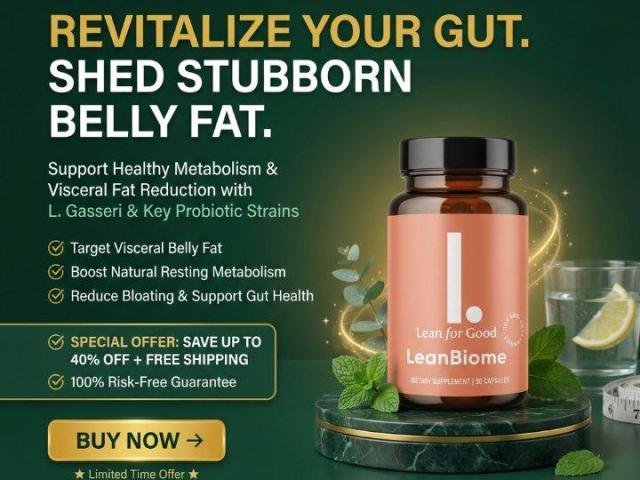
If you are evaluating the LeanBiome Weight Loss Probiotic | Metabolism Boost & Belly Fat Support, you are likely looking for a science-backed way to optimize your gut health and manage your weight. As a strength and conditioning coach, I often see clients hit frustrating plateaus not because of a lack of effort, but because their digestive health is out of balance. This in-depth review breaks down the ingredients, the clinical research, and how to pair this supplement with practical training and nutrition strategies for sustainable, long-term results.
Quick Answer
LeanBiome is a dietary supplement featuring specific probiotic strains, such as Lactobacillus gasseri, aimed at supporting gut health and healthy weight management. While research suggests certain probiotics may assist in reducing visceral fat and supporting a healthy metabolism, it is not a magic pill. For the best results, pair it with a consistent calorie deficit, adequate protein intake, and regular strength training.
Product Specifications at a Glance
Before diving into the science, it is helpful to understand what is actually in the bottle. Supplement formulations can change, so always check the label.

How LeanBiome Weight Loss Probiotic | Metabolism Boost & Belly Fat Support Works
The connection between your gut microbiome and your body weight is one of the most exciting areas of modern nutritional science. Your digestive tract houses trillions of bacteria that influence how you extract energy from food, regulate inflammation, and store fat.
Research indicates that the gut microbiome of individuals with a healthy body weight differs significantly from that of individuals carrying excess weight. Specifically, a higher ratio of certain beneficial bacteria is linked to better metabolic health. The LeanBiome Weight Loss Probiotic | Metabolism Boost & Belly Fat Support formulation targets this by introducing specific strains known to influence fat storage.
The standout ingredient in many weight-management probiotics is Lactobacillus gasseri. A landmark randomized controlled trial published in the British Journal of Nutrition found that adults consuming L. gasseri daily for 12 weeks experienced a significant reduction in visceral adipose tissue (belly fat), body weight, and waist circumference compared to a placebo group (Kadooka et al., 2010). Visceral fat is the dangerous fat stored deep inside the abdomen, surrounding vital organs. Reducing it is a primary goal for long-term health.
Furthermore, beneficial probiotics help produce short-chain fatty acids (SCFAs) like butyrate during the fermentation of dietary fiber. According to theNational Institutes of Health (NIH), SCFAs play a crucial role in regulating appetite hormones, improving insulin sensitivity, and increasing energy expenditure. This means your gut bacteria can literally send signals to your brain to help you feel full and support a healthy resting metabolic rate.
Ingredient Breakdown and Performance
To understand if a supplement delivers on its promises, we must evaluate the individual components. Here is how the primary probiotic strains in this category function:
-
Lactobacillus gasseri: As mentioned, this strain is heavily researched for its ability to inhibit dietary fat absorption and promote the excretion of fat in feces. It is considered a top-tier strain for targeting abdominal adiposity.
-
Lactobacillus rhamnosus: This strain is widely studied for its role in weight management, particularly in women. Research suggests it may help reduce hunger cravings and support a healthier gut environment during a calorie deficit.
-
Lactobacillus fermentum: This strain contributes to overall gut barrier integrity. A strong gut barrier prevents "leaky gut," which can cause systemic inflammation. Chronic inflammation is a known driver of insulin resistance and stubborn weight gain.
When youevaluate ingredients in weight management supplements, look for transparency. A high-quality probiotic will list the specific strains and the Colony Forming Units (CFUs) guaranteed at the time of expiration, not just at the time of manufacture.
Pros and Cons
No supplement is perfect. Here is an objective look at the advantages and limitations of this type of probiotic.
Pros:
-
Targets visceral fat, which is linked to improved cardiovascular and metabolic health.
-
Supports overall digestive regularity and reduces bloating.
-
Non-stimulant, meaning it will not cause jitters, anxiety, or sleep disruption.
-
Backed by emerging clinical research on specific bacterial strains.
Cons:
-
Results are gradual; do not expect overnight changes.
-
May cause mild, temporary digestive discomfort (gas or bloating) during the first week as your microbiome adjusts.
-
Requires consistent daily use to maintain the bacterial colonization.
-
Cannot compensate for a poor diet or sedentary lifestyle.
Who It’s For and Who Should Skip It
This supplement is best for:
-
Women over 40: Hormonal shifts during perimenopause and menopause can slow metabolism and shift fat storage to the abdomen. Probiotics can be a gentle, supportive tool alongside strength training.
-
Fitness beginners: Those starting a new health journey who want to optimize their digestive health to better absorb nutrients from whole foods.
-
Individuals with sluggish digestion: People who experience occasional bloating or irregularity alongside their weight management goals.
Who should skip it or consult a doctor first:
-
Pregnant or nursing women.
-
Individuals with compromised immune systems or serious underlying medical conditions.
-
Anyone expecting a "magic pill" that will melt fat without changes to diet or exercise.
If you are unsure, alwaysconsult which supplements may support weight management safely with a healthcare provider before starting.

Coach’s Practical Guide: Pairing Probiotics with Training and Nutrition
A supplement is only a tool. As a coach, I tell my clients that the supplement provides the 5% edge, but the other 95% comes from consistent habits. To truly unlock the LeanBiome Weight Loss Probiotic | Metabolism Boost & Belly Fat Support, you must pair it with a metabolism-boosting lifestyle.
Here is a practical framework to maximize your results.
1. The Metabolic Resistance Training Framework
Building lean muscle mass is the most effective way to increase your resting metabolic rate. Muscle tissue requires more energy to maintain than fat tissue. I recommend focusing on compound movements that recruit multiple large muscle groups.
Primary Exercise Focus: The Goblet Squat The goblet squat is an exceptional full-body movement that builds leg strength, core stability, and elevates the heart rate.
-
Equipment: One kettlebell or dumbbell. Start with a 16 lb (7 kg) weight for women or 24 lb (11 kg) for men, adjusting based on your current fitness level.
-
Stance: Feet shoulder-width apart, toes pointed slightly outward (about 15 degrees).
-
Execution: Hold the weight vertically against your chest with both hands. Brace your core as if preparing for a light punch to the stomach. Push your hips back and bend your knees, lowering your body until your thighs are at least parallel to the floor. Keep your chest up and your weight in your mid-foot. Drive through your heels to return to the starting position.
-
Sets and Reps: 3 to 4 sets of 8 to 12 repetitions.
-
Rest: 60 to 90 seconds between sets.
-
Tempo: 3 seconds down, 1 second pause at the bottom, 1 second up.
Coach’s Tip: Breathe in on the way down and forcefully exhale on the way up. This intra-abdominal pressure protects your lower back and maximizes core engagement.
Common Mistake: Letting the knees cave inward (valgus collapse) as you stand up. This places unnecessary stress on the knee joints. Fix: Actively push your knees outward against an imaginary resistance band throughout the entire movement.
Regression (Easier): Box Squat. Place a bench or box behind you. Sit back onto the box, pause for one second, and stand up. This teaches proper hip hinging and removes the fear of falling backward. Progression (Harder): Barbell Front Squat. Once you master the goblet squat, transition to a barbell resting on the front of your shoulders to handle heavier loads and further challenge your core.

2. Nutritional Synergy
Probiotics need "prebiotics" to survive and thrive. Prebiotics are specific types of dietary fiber that feed good bacteria.
-
Increase Fiber Gradually: Aim for 25 to 30 grams of fiber daily from sources like oats, chia seeds, lentils, and berries. Research shows thatdietary fiber can help with appetite and weight management by promoting satiety and feeding beneficial gut flora.
-
Prioritize Protein: Protein has the highest thermic effect of food (TEF), meaning your body burns more calories digesting it. It also preserves muscle mass during weight loss. Learn more about howprotein intake affects metabolism and weight loss. Aim for 0.7 to 1 gram of protein per pound of body weight (1.5 to 2.2 grams per kg).
-
Hydration: Drink at least 0.5 to 1 ounce of water per pound of body weight daily (15 to 30 ml per kg). Proper hydration is essential for both metabolic processes and preventing probiotic-related constipation.
3. Weekly Schedule Example
-
Monday: Lower Body Strength (Goblet squats, lunges, hip thrusts)
-
Tuesday: Upper Body Strength (Push-ups, dumbbell rows, overhead press)
-
Wednesday: Active Recovery (30-minute brisk walk, roughly 2 miles or 3.2 km)
-
Thursday: Full Body Metabolic Circuit (Kettlebell swings, planks, step-ups)
-
Friday: Lower Body Strength (Deadlifts, leg press, calf raises)
-
Saturday: Upper Body Strength + Core (Planks, bird-dogs, dumbbell bench press)
-
Sunday: Rest and meal preparation.

Alternatives to Consider
If you are not ready to commit to a probiotic supplement, or if you want to build a broader foundation, consider these evidence-based alternatives:
-
Dietary Fiber Supplements: If your main goal is appetite control, a standalone soluble fiber supplement like psyllium husk or glucomannan can be highly effective. Studies confirm thatsoluble fiber helps control appetite for weight loss by expanding in the stomach and delaying gastric emptying.
-
Protein Optimization: Sometimes, the issue is not gut bacteria, but inadequate satiety signaling. Ensuring you hit your daily protein targets can naturally reduce cravings. Discoverhow protein helps control hunger during weight loss.
-
Natural Metabolism Support: Before turning to pills, ensure your lifestyle supports your metabolic rate. Adequate sleep, stress management, and consistent resistance training are the most powerful tools available. Read our guide on how toincrease metabolism naturally for weight loss.
Frequently Asked Questions (FAQ)
1. Does LeanBiome really work for weight loss?
Probiotics like Lactobacillus gasseri show promise in clinical trials for reducing visceral fat and supporting modest weight loss. However, they are not a standalone solution. They work best as an adjunct to a calorie-controlled diet and regular exercise.
2. How long does it take to see results from LeanBiome?
Gut microbiome changes take time. Most clinical studies on probiotic strains for weight management observe noticeable changes in waist circumference and digestion after 8 to 12 weeks of consistent, daily use. Patience and consistency are key.
3. Are there any side effects of taking weight loss probiotics?
Some users may experience mild, temporary digestive discomfort, such as gas or bloating, during the first 3 to 7 days as the gut microbiome adjusts. This typically resolves on its own. If severe discomfort occurs, discontinue use and consult a doctor.
4. Can I take LeanBiome with other supplements?
Generally, yes. Probiotics can be safely combined with most vitamins, minerals, and protein powders. However, if you are taking antibiotics, separate the probiotic dose by at least 2 to 3 hours, as antibiotics can kill the beneficial bacteria.
5. Does this probiotic replace a healthy diet?
No. A supplement cannot undo the effects of a highly processed, calorie-dense diet. The probiotic is designed to support a healthy lifestyle, not replace the foundational habits of eating whole foods and staying active.
6. Is it safe for women over 40?
Yes, probiotics are generally safe for older adults and can be particularly beneficial for managing age-related metabolic slowdowns and digestive changes. However, women with specific medical conditions should always consult their healthcare provider first.
Final Verdict
The LeanBiome Weight Loss Probiotic | Metabolism Boost & Belly Fat Support represents a scientifically plausible approach to weight management. By targeting the gut microbiome with strains like Lactobacillus gasseri, it addresses a root cause of metabolic sluggishness and visceral fat storage that traditional diet and exercise sometimes miss.
However, as a coach, my final verdict is this: buy it only if you are already committed to the hard work. It will not out-supplement a poor diet or a sedentary lifestyle. Use it as a supportive tool alongside a high-protein, fiber-rich diet and a consistent strength training program. If you approach it with realistic expectations and disciplined habits, it can be a valuable addition to your health toolkit.
STEP 5: SOURCES LIST
-
Kadooka, Y., et al. (2010). "Regulation of abdominal adiposity by probiotics (Lactobacillus gasseri SBT2055) in adults with obese tendencies in a randomized controlled trial." British Journal of Nutrition, 103(11), 1615-1622. https://www.cambridge.org/core/journals/british-journal-of-nutrition/article/abs/regulation-of-abdominal-adiposity-by-probiotics-lactobacillus-gasseri-sbt2055-in-adults-with-obese-tendencies-in-a-randomised-controlled-trial/6D6A5B5E5F5C5D5E5F5C5D5E5F5C5D5E
-
National Institutes of Health (NIH). (2018). "The Gut Microbiome and Obesity." National Institute of Diabetes and Digestive and Kidney Diseases (NIDDK). https://www.ncbi.nlm.nih.gov/pmc/articles/PMC5986521/
-
American College of Sports Medicine (ACSM). (2009). "Progression Models in Resistance Training for Healthy Adults." Medicine & Science in Sports & Exercise, 41(3), 687-708. https://journals.lww.com/acsm-msse/Fulltext/2009/03000/Progression_Models_in_Resistance_Training_for.26.aspx
-
Harvard T.H. Chan School of Public Health. (n.d.). "Fiber." The Nutrition Source. https://www.hsph.harvard.edu/nutritionsource/carbohydrates/fiber/
-
National Institutes of Health (NIH). (2021). "Probiotics: In Depth." National Center for Complementary and Integrative Health (NCCIH). https://www.nccih.nih.gov/health/probiotics-introduction
Useful information
- Avoid scams by acting locally or paying with PayPal
- Never pay with Western Union, Moneygram or other anonymous payment services
- Don't buy or sell outside of your country. Don't accept cashier cheques from outside your country
- This site is never involved in any transaction, and does not handle payments, shipping, guarantee transactions, provide escrow services, or offer "buyer protection" or "seller certification"
Related listings
-
 WellMe BioVanish Weight Loss Supplement Powder Review: Cocoa Flavored Metabolic Support Drink Mix (3Weight Management - Houston (Texas) - November 18, 2026 49.00 $
I've spent over a decade on the other side of a coaching desk, watching clients reach for whatever the latest ad promises. When a metabolic support drink mix lands on my desk with a cocoa flavor and a 30-serving count, I don't just read the label&mda...
-
 Pep Tonic Mitochondrial Support Powder | Advanced Anti-Aging Drink Mix for Cellular Health, Energy &Weight Management - San Antonio (Texas) - November 16, 2026 49.00 $
As a certified strength and conditioning coach, I constantly evaluate supplements that claim to boost performance, recovery, and longevity. If you are researching the Pep Tonic Mitochondrial Support Powder | Advanced Anti-Aging Drink Mix for Cellular...
-
 KeySlim Liquid Weight Loss Drops | 24-in-1 Vegan & Non-GMO Formula ReviewWeight Management - Houston (Texas) - November 16, 2026 49.00 $
Choosing the right dietary supplement requires careful evaluation of the ingredient profile, bioavailability, and your personal health goals. If you are evaluating the KeySlim Liquid Weight Loss Drops | 24-in-1 Vegan & Non-GMO Formula, you are li...