
39.00 $ NewEra Protect Review: Ingredients, Benefits, Complaints & Customer Feedback Bakersfield
- Location: Bakersfield, California, United States
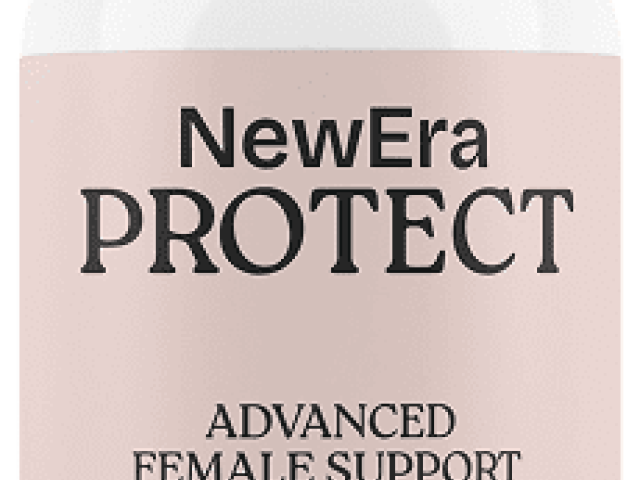
NewEra Protect is a capsule supplement marketed to women over 40 for bladder control, urgency, and pelvic floor support, sold in packages from $79 to $294 with a 60-day guarantee.
Its formula is genuinely better-sourced than most supplements in this category — the official site cites real human randomized controlled trials, including one on Boswellia for stress incontinence in women and two on vitamin D and urinary incontinence. That's unusually relevant research, and it deserves credit.
But there are problems worth knowing about. Different versions of the sales material list completely different ingredients, the anchor pricing is extreme, and there's a safety issue with horsetail that no page mentions.
Most importantly: urinary incontinence has distinct types with distinct treatments, and pelvic floor physical therapy — which is free or covered by insurance for many women — has substantially stronger evidence than any supplement.
Disclosure: this is an affiliate-sold supplement, so most reviews online earn a commission per sale. Weigh every enthusiastic review accordingly, this page included.
👉 Check current NewEra Protect pricing and package options »
⚠️ Verify the Ingredient List Before You Buy
This is unusual, so it's worth stating plainly.
At least two different ingredient lists circulate for NewEra Protect:
- The official site lists: Boswellia, Sumac Extract, Horsetail Extract, Crataeva, Elemental Zinc, Vitamin D3, Resveratrol, and Hop Cone Extract — all plausibly bladder or kidney-related.
- Some affiliate pages additionally list: Bacopa Monnieri, L-Theanine, Alpha GPC, Ginkgo Biloba, Rhodiola Rosea, Acetyl-L-Carnitine, Huperzine A, and a B-complex — a cognitive nootropic stack with no bladder relevance.
One of those pages also carries a testimonial entirely about "mental clarity and long-lasting focus" in a bladder product — which suggests copy was adapted from a nootropic page.
This matters for safety, not just accuracy. Huperzine A and Alpha GPC are pharmacologically active cholinergic compounds with real contraindications. If they're genuinely in the product, that's a different risk profile entirely.
Request the actual supplement facts panel before ordering, and confirm which formula you're receiving.
⚠️ Other Safety Points
Horsetail contains thiaminase, an enzyme that breaks down vitamin B1. Prolonged use can contribute to thiamine depletion. Horsetail is also a diuretic — worth thinking about in a bladder product, since increasing urine output can worsen urgency and frequency in some women. Neither is mentioned on any version of the page.
"No side effects have been reported" is a claim the page makes directly. That isn't plausible for a formula containing zinc, vitamin D3, diuretic botanicals, and resveratrol. Zinc alone commonly causes nausea on an empty stomach.
Vitamin D3 and zinc both have upper limits. Doses aren't disclosed. If you already take a multivitamin or separate vitamin D, stacking matters — excess vitamin D can cause hypercalcemia, and long-term high zinc depletes copper.
Resveratrol and Boswellia both have mild antiplatelet activity. Relevant with blood thinners; discontinue two weeks before surgery.
Get the Type of Incontinence Diagnosed First
This is the most useful thing in this review, because incontinence isn't one condition — and the treatments differ completely.
Stress incontinence — leaking when you cough, sneeze, laugh, lift, or exercise. Caused by weakened pelvic floor support. Responds very well to pelvic floor muscle training.
Urge incontinence (overactive bladder) — sudden, urgent need to go, sometimes leaking before you reach the toilet. A bladder muscle problem. Responds to bladder retraining and specific prescription medications.
Mixed incontinence — both, and very common.
Overflow incontinence — bladder doesn't empty fully. Needs investigation.
Why this matters: a supplement marketed for "bladder leaks" makes no distinction between these. Pelvic floor exercises help stress incontinence enormously and may do little for urge incontinence. Getting the type identified determines what will actually work.
See a doctor if you have:
- Blood in urine — always needs investigation
- Pain or burning when urinating — possible UTI
- Recurrent UTIs — needs proper management
- Sudden onset of incontinence
- Incontinence with back pain, leg weakness, or numbness — urgent
- Inability to empty your bladder
- Fever with urinary symptoms
Also worth knowing: incontinence is extremely common and highly treatable — but it's under-reported because women are often embarrassed to raise it. Doctors deal with this constantly. There is genuinely effective help available.
NewEra Protect Ingredients: The Evidence
Working from the official site's eight-ingredient list.
The ingredients with genuinely relevant evidence
Boswellia — the standout, with real human trials. This is the most impressive inclusion, and the citations are specific and on-point: a study on Boswellia serrata plus pelvic floor muscle training for stress incontinence in women of reproductive age, and a randomized, double-blind, placebo- and active-controlled clinical trial of a frankincense-based product in urinary incontinence.
Those are real RCTs on the actual condition in the actual population. That's genuinely rare in this market.
One important detail: the first study combined Boswellia with pelvic floor muscle training — which tells you the exercises were part of the protocol, not optional.
Vitamin D3 — good, specific evidence. The cited research includes a randomized controlled trial on vitamin D supplementation and stress urinary incontinence severity in premenopausal women with vitamin D insufficiency.
That's directly relevant. Vitamin D deficiency is genuinely common, and there's reasonable evidence linking low vitamin D to pelvic floor dysfunction.
The practical point: if you're deficient, correcting it may genuinely help — but get your level tested rather than guessing. And if you already supplement vitamin D, know the dose here before stacking.
Crataeva Nurvala — traditional use with mechanistic support. Used in Ayurvedic medicine for urinary tract health. The cited studies are rat models on oxidative stress in kidney and heart, and renal ischemia — real research, but preclinical and not on incontinence.
Zinc — plausible, indirect. The citation concerns zinc deficiency in chronic kidney disease and hypertension. Zinc matters for tissue repair and immune function, so there's a rationale, but no direct incontinence evidence.
Caution: long-term high-dose zinc depletes copper.
The ingredients with weaker or indirect evidence
Resveratrol — the citations are a systematic review and meta-analysis on renal function and a paper on chronic kidney disease. Real research, but about kidney function, not bladder control or incontinence. The meta-analysis found "mild" improvement.
Hop Cone Extract — the citation studies isohumulones in Dahl salt-sensitive rats for renal injury. Preclinical, rat, kidney-focused.
Worth knowing: hops have mild sedative and phytoestrogenic properties.
Sumac — the citation concerns hyperuricemia and uric acid nephropathy in mice fed a high-purine diet. Again: mice, kidneys, not bladder control.
Horsetail — two citations: one on Tamm-Horsfall protein secretion in human urine (real human research, though about a urinary protein rather than incontinence), and one on wound healing in diabetic rats.
The concerns the page doesn't mention: thiaminase and B1 depletion, plus the diuretic effect — which in a bladder supplement is worth thinking about carefully.
Ingredient verdict
| Ingredient | Incontinence evidence | Concern |
|---|---|---|
| Boswellia | ⭐⭐ Human RCTs, on-point | Dose undisclosed |
| Vitamin D3 | ⭐ Human RCT (if deficient) | ⚠️ Upper limit, test first |
| Crataeva | Rat, kidney | Traditional use |
| Zinc | Indirect | ⚠️ Copper depletion long-term |
| Resveratrol | Kidney function, mild | Antiplatelet |
| Sumac | Mice, uric acid | Minimal |
| Hop Cone | Rat, kidney | Mild sedative, phytoestrogen |
| Horsetail | Human (Tamm-Horsfall) + rat | ⚠️ Thiaminase; diuretic |
The honest summary: two genuinely well-supported ingredients — Boswellia and vitamin D3, both with human RCT evidence on urinary incontinence specifically. That's meaningfully better than most supplements in this space.
But the formula is framed around kidney support, and most of the remaining citations are about renal function in rats and mice, not bladder control in women. Kidney health and bladder continence are related but distinct — supporting kidney antioxidant status doesn't strengthen your pelvic floor.
No doses are disclosed, and for Boswellia and vitamin D that matters enormously, since both have studied effective ranges.
👉 View NewEra Protect's ingredient details and pricing »
Benefits: What's Realistic
Plausible
Modest stress incontinence improvement — if Boswellia is adequately dosed and, importantly, if you're also doing pelvic floor exercises, since that's how the supporting study was conducted.
Genuine benefit if you're vitamin D deficient. This is real and worth taking seriously — but the intervention is correcting deficiency, which a $10 vitamin D supplement also does, after testing.
General antioxidant and kidney support from resveratrol, sumac, and crataeva. Real, if not bladder-specific.
Possible mild relaxation from hop cone extract.
Not supported
- "Strengthening pelvic floor muscles" — no supplement builds muscle. Exercise does. This is the claim that most needs pushing back on.
- Reducing UTIs — one testimonial claims this; the formula contains no cranberry, D-mannose, or established UTI-preventive ingredient
- Treating incontinence as a condition
- "Targeting root causes" of leaks
- Cognitive benefits — if you're reading a version listing nootropics, note those aren't on the official ingredient list
Customer Feedback and Complaints
Review counts of 12,800 and 14,569 appear on different pages, with a claimed 4.78/5 average. Neither is linked to a verifiable third-party platform.
Common positive reports
- Fewer nighttime bathroom trips and improved sleep
- Reduced urgency for some women
- Feeling more confident in social situations
- Easy daily routine — two capsules with breakfast
Common complaints
- "No noticeable change." Common across bladder supplements, particularly if the incontinence type doesn't match what the ingredients address.
- Increased urination initially — plausible given two diuretic-leaning ingredients, and frustrating in a product bought to reduce bathroom trips.
- Nausea — zinc on an empty stomach is a likely culprit, despite the "no side effects" claim.
- Cost relative to results, especially versus free pelvic floor exercises.
- Slow results — realistic timelines are 8–12 weeks, not "a few short weeks."
- Confusion over the ingredient list — understandable given the discrepancy above.
- Refund friction — note the official policy requires sending bottles back with a packing slip, which isn't quite "no hoops."
On the testimonials
One testimonial on the affiliate version is entirely about mental clarity and focus — in a bladder product. Another claims fewer UTIs, which the formula has no established ingredient to support. These read as either recycled copy or unrepresentative claims.
Genuine review signals are specificity, mixed verdicts, and willingness to report no effect.
Results: A Realistic Timeline
Weeks 1–2. Possibly more urination as the diuretic-leaning ingredients take effect. Don't panic — but don't expect improvement yet either.
Weeks 3–6. If vitamin D deficiency is being corrected, effects build slowly over this period. Boswellia's anti-inflammatory action may begin showing.
Weeks 6–12. The realistic assessment point. The cited Boswellia trial and vitamin D research ran over months, not weeks — and both sit at or past the 60-day guarantee edge.
Months 3+. Whatever effect exists is established.
Honest expectation: modest improvement in urgency or nighttime frequency for some women. If you have stress incontinence, the pelvic floor exercises will do far more than the capsules — and the product's own bonus materials acknowledge this by including pelvic floor programs.
Measuring it properly
- Keep a bladder diary for 3 days before starting — time, volume, urgency rating, and any leaks. This is a standard clinical tool and it's free.
- Count pad or liner changes per day — objective.
- Count nighttime bathroom trips.
- Repeat the diary at 6 and 10 weeks.
- Track whether you did pelvic floor exercises — this is the confound that matters most. If you improve while doing both, you won't know which helped.
- Get vitamin D tested before and after, if that's part of why you're trying it.
Side Effects
Despite the page's "no side effects reported" claim, expect the following are possible:
Common
- Nausea — zinc, especially without food
- Increased urination — horsetail and the diuretic-leaning botanicals
- GI upset
- Headache
- Mild drowsiness — hop cone extract
- Metallic taste — zinc
More serious
- Thiamine depletion with prolonged horsetail use
- Copper deficiency with long-term high-dose zinc
- Hypercalcemia if vitamin D is high-dose and you're stacking other sources
- Increased bleeding risk — resveratrol and Boswellia; stop two weeks before surgery
- Electrolyte disturbance — diuretic effect, especially with kidney or heart conditions
- Hormonal effects — hops contain potent phytoestrogens, worth considering with hormone-sensitive conditions
Who should avoid it
- Anyone with a hormone-sensitive condition — hops' phytoestrogen content
- Anyone on blood thinners
- Anyone taking separate vitamin D or zinc without checking doses
- Anyone on diuretics or with kidney or heart disease
- Pregnant or breastfeeding women
- Anyone with undiagnosed urinary symptoms
- Anyone with recurrent UTIs — needs proper medical management
- Anyone scheduled for surgery within two weeks
- Anyone taking thyroid medication — check zinc timing
- Men — the page's own FAQ raises this; it's formulated and marketed for women
Price: What It Costs
Official site pricing:
| Package | Per bottle | Total | Supply |
|---|---|---|---|
| Basic (1 bottle) | $79 | $79 | 60 days |
| Most Popular (2+1) | $59 | $177 | 90 days |
| Best Value (3+3) | $49 | $294 | 180 days |
A 60-day money-back guarantee applies; 6-bottle orders include free shipping and two pelvic floor program bonuses.
On the anchor pricing: the site shows $197→$79, $591→$177, and $1,182→$294 — claiming savings of up to $888. A price that was never charged isn't a saving. Judge it on the real numbers: $49–$79 per month.
Is that fair value? Expensive relative to the components:
- Vitamin D3 at a proper dose: roughly $5–10 for several months
- Boswellia extract standalone: roughly $15–20/month
- Zinc: a few dollars
- Pelvic floor exercises: free, and better evidenced than any of it
You could buy the two ingredients with actual human RCT support for around $20–25/month — after getting your vitamin D tested, which tells you whether you need it at all.
Structural note: the best per-unit price requires $294 upfront for 180 days against a 60-day guarantee. And the refund requires returning bottles with the packing slip — so keep your packaging.
Buying notes
- Request the supplement facts panel before ordering — confirm which ingredient list applies, and get the Boswellia, vitamin D, and zinc doses.
- Get your vitamin D tested first. Genuinely useful either way.
- Official page only. ClickBank is the retailer — standard affiliate arrangement, and their disclaimer notes this doesn't constitute endorsement of the product's claims.
- Start with one bottle — the only tier aligned with the guarantee.
- Keep your packing slip for the refund process.
- Take with food to reduce zinc-related nausea.
- Ignore "96% order 6 bottles." Standard social proof.
👉 Check NewEra Protect pricing and the 60-day guarantee »
What Actually Works for Bladder Leaks
This section matters more than the rest of the review, because the evidence here is genuinely strong and most of it is free.
Pelvic floor muscle training is first-line treatment. This isn't a supplement-review hedge — it's what clinical guidelines recommend before medication or surgery for stress incontinence. Studies consistently show cure or significant improvement in a majority of women with proper training.
How to do it properly:
- Find the right muscles — the ones you'd use to stop urine mid-stream (don't practice by actually stopping the stream, just to identify them)
- Squeeze for 3–5 seconds, release for the same, building to 10 seconds
- Three sets of 10 daily
- Consistency for at least 3 months — this takes time, like any strength training
See a pelvic floor physical therapist if you can. This is the single best recommendation in this article. Pelvic floor PT is a genuine medical specialty, often covered by insurance, and a therapist can confirm you're doing the exercises correctly — a large share of women do them wrong without guidance, which is why self-directed attempts sometimes fail.
Other evidence-backed approaches:
- Bladder retraining for urge incontinence — gradually extending time between voids
- Weight loss if applicable — even 5–10% reduction meaningfully improves incontinence; the evidence here is strong
- Reduce bladder irritants — caffeine, alcohol, carbonated drinks, artificial sweeteners, and citrus are common triggers
- Don't restrict fluids — counterintuitive, but concentrated urine irritates the bladder and worsens urgency
- Treat constipation — a full bowel presses on the bladder
- Stop smoking — chronic coughing stresses the pelvic floor
- Vaginal estrogen for postmenopausal women — genuinely effective for urogenital symptoms, prescription, and worth asking about
- Prescription options for overactive bladder — several effective medications exist
- Pessaries — a simple device that supports the bladder, often very effective for stress incontinence
Frequently Asked Questions
What is NewEra Protect?
A capsule supplement for women marketed for bladder control and pelvic floor support, containing Boswellia, sumac, horsetail, crataeva, zinc, vitamin D3, resveratrol, and hop cone extract, taken two capsules daily.
Does NewEra Protect work?
Boswellia and vitamin D3 both have human RCT evidence relevant to urinary incontinence, so modest benefit is plausible — dose-dependent, and the Boswellia study included pelvic floor training. It won't strengthen muscles on its own.
Why do different pages list different ingredients?
That's a genuine discrepancy. The official site lists eight bladder/kidney ingredients; some affiliate pages add a cognitive nootropic stack. Confirm the actual label before ordering.
Can it strengthen my pelvic floor?
No supplement builds muscle. Pelvic floor exercises do — which is why the product bundles exercise programs as bonuses.
Will it help my UTIs?
The formula contains no cranberry, D-mannose, or established UTI-preventive ingredient. Recurrent UTIs need medical management.
Are there side effects?
The page says none have been reported, which isn't plausible. Expect possible nausea (zinc), increased urination (diuretic ingredients), and mild drowsiness (hops).
Can men take it?
It's formulated and marketed for women. Men with urinary symptoms should be evaluated for prostate issues.
How long until results?
Realistically 8–12 weeks. The supporting research ran over months — which is worth noting against a 60-day guarantee.
Is it FDA approved?
No. Supplements aren't FDA approved. The facility is FDA-registered, which concerns manufacturing standards only.
What's the refund policy?
60-day money-back guarantee, but you must return bottles with your packing slip. Keep the packaging.
Final Verdict
NewEra Protect has the best-sourced formula of any supplement I've reviewed in this series — and it's still not the thing that will fix bladder leaks.
Genuine credit is due. Boswellia and vitamin D3 both have human randomized controlled trials specifically on urinary incontinence in women. That's not preclinical mouse data or borrowed institutional prestige — it's real, relevant, on-point evidence, and it's genuinely rare in this market. The formula is coherent, the citations are largely real research, and if you're vitamin D deficient, correcting that may honestly help.
But the problems are real. The ingredient list differs between versions of the sales material, with one adding a cognitive nootropic stack that has nothing to do with bladders — and that needs resolving before you buy anything. Most of the remaining citations are rat and mouse studies about kidney function, not bladder control. Horsetail's thiaminase and diuretic effects go unmentioned in a bladder product. "No side effects reported" isn't credible. The $1,182 anchor price against a $294 sale price is aggressive framing. And the claim that it "strengthens pelvic floor muscles" is the one that most needs correcting — no capsule builds muscle.
Consider it if: you've had your incontinence type diagnosed, you've had vitamin D tested, you're not on blood thinners or hormone-sensitive medication, you've confirmed the actual ingredient list, and — importantly — you're doing pelvic floor exercises alongside it, as the supporting research did.
Skip it if: you haven't seen a doctor about your symptoms, you have recurrent UTIs, you take separate vitamin D or zinc, you have a hormone-sensitive condition, or you're hoping capsules will substitute for the exercises.
What I'd genuinely recommend first: ask your doctor for a referral to a pelvic floor physical therapist. It's the first-line treatment, it's frequently covered by insurance, and a therapist will confirm you're doing the exercises correctly — which is the difference between the approach working and not. Get your vitamin D tested at the same time. Those two steps have better evidence than anything in this bottle, and one of them is likely free.
👉 Check NewEra Protect pricing and guarantee terms »
This article is for general informational purposes only and is not medical advice. Dietary supplements are not evaluated by the FDA and are not intended to diagnose, treat, cure, or prevent any disease. Urinary incontinence has multiple types requiring different treatments and warrants professional evaluation — it is common and highly treatable. Always consult a qualified healthcare provider before starting any supplement, particularly if you take prescription medication, are pregnant or breastfeeding, or have an existing health condition.
Useful information
- Avoid scams by acting locally or paying with PayPal
- Never pay with Western Union, Moneygram or other anonymous payment services
- Don't buy or sell outside of your country. Don't accept cashier cheques from outside your country
- This site is never involved in any transaction, and does not handle payments, shipping, guarantee transactions, provide escrow services, or offer "buyer protection" or "seller certification"
Related listings
-
 FemiCore Review: Benefits, Results, Price & MoreWomen’s Health - Philadelphia (Pennsylvania) - September 12, 2026 49.00 $
FemiCore promises relief from one of the most quietly devastating problems in women's health: bladder leaks. If you've ever mapped your day around bathroom locations, skipped a workout class out of embarrassment, or laughed carefully at a joke &mdash...
-
 FemiPro Honest Review: Ingredients, Side Effects, Complaints & Does It Really Work for Women’s BladdWomen’s Health - Seattle (Washington) - May 16, 2026 49.00 $
If you’ve been struggling with frequent bathroom trips, sudden bladder leaks when you laugh or sneeze, pelvic discomfort, or the frustrating menopause-related urinary changes that interrupt your sleep, you are absolutely not alone. In fact, it ...
-
 ThyraFemme Balance Reviews Breakdown: Does This Hormone Supplement Really Work or Is It a Scam?Women’s Health - Houston (Texas) - May 9, 2026 49.00 $
If you have been dealing with relentless fatigue, stubborn weight gain that won’t budge despite dieting, unpredictable mood swings, or a general feeling of hormonal chaos, your thyroid could be playing a much bigger role than you think. [...