
49.00 $ Yu Sleep Reviews: Benefits, Ingredients, Results & Side Effects Phoenix
- Location: Phoenix, Arizona, United States
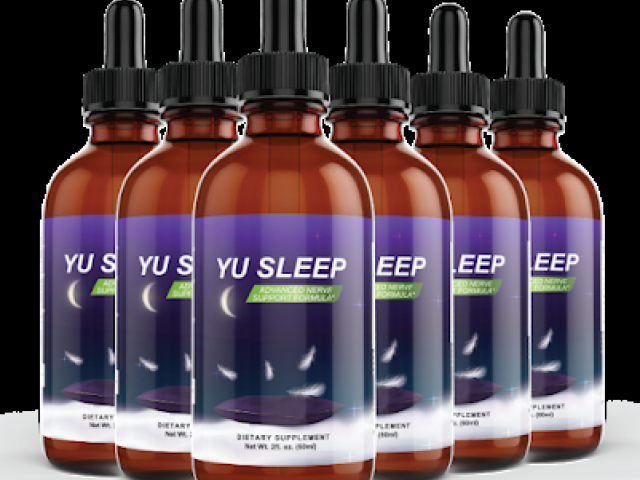
Yu Sleep is a liquid, nano-enhanced sleep formula built around ten ingredients and a specific promise: that it doesn't just knock you out, it resets your "sleep pressure system" over three to six months so you eventually sleep well without it.
That's a more interesting claim than most sleep supplements make — and it's also the claim that justifies the multi-month packages. So this review does three things. It breaks down every ingredient against the actual evidence (some are genuinely well-supported, one probably doesn't work at all). It gives a realistic results timeline. And it covers the side effects and interactions — including one ingredient that can be dangerous if you take certain antidepressants, which the sales page doesn't warn about.
👉 Check current Yu Sleep pricing and package options »
⚠️ Read This First If You Take Antidepressants
Before anything else, because it's the most important thing on this page.
Yu Sleep contains 5-HTP, a direct serotonin precursor. Combining 5-HTP with medications that raise serotonin — SSRIs, SNRIs, MAOIs, tramadol, triptans for migraine, or St. John's Wort — carries a risk of serotonin syndrome, which can range from uncomfortable to genuinely dangerous.
If you take any of those, do not start Yu Sleep without talking to your prescriber first. This isn't a boilerplate disclaimer. It's the single most consequential fact about this formula, and the sales page doesn't flag it.
Also check with a doctor first if you're pregnant or breastfeeding, have a liver or kidney condition, take blood thinners or sedatives, or are giving it to anyone under 18.
What Is Yu Sleep?
Yu Sleep is a liquid sleep supplement taken as two droppers roughly 30 minutes before bed. It's marketed as "nano-enhanced," which in supplement language generally refers to reducing particle size to improve absorption — a real concept, though the specific absorption advantage here isn't independently verified.
The positioning differs from typical sleep aids in one meaningful way. Most melatonin products aim to sedate you tonight. Yu Sleep is framed around restoring your sleep architecture over months, with a deliberate physical-therapy analogy: you feel better in days, but the underlying repair takes three to six months, so stopping early means sliding back.
That framing is why the product is only sold in two-, three-, and six-month packages.
Is the "sleep pressure system reset" claim real? Partially. Sleep pressure (the adenosine-driven drive to sleep that builds through your waking hours) is genuine physiology. Circadian rhythm can genuinely be re-regulated over weeks. But the specific claim that a supplement produces a permanent fix that holds after you stop is not established by evidence. Treat it as a marketing frame around real physiology, not a proven outcome — and notice that it conveniently justifies buying six months at once.
Yu Sleep Ingredients: What's Inside and What Actually Works
This is the part that matters most, because a sleep formula is only as good as its components. The evidence varies dramatically across these ten — some are genuinely well-supported, one likely does nothing.
Melatonin (0.9 mg) — strong, and the dose is smart
This is the formula's best decision. Most drugstore melatonin comes in 5 mg or 10 mg doses, which is far more than the body uses and is associated with next-day grogginess. Research consistently suggests low doses (0.3–1 mg) work as well or better for sleep onset with fewer hangover effects.
At 0.9 mg, Yu Sleep is dosed the way the evidence actually supports. That's a genuine point in its favour, and it directly addresses the "groggy next morning" complaint that drives people away from melatonin.
Magnesium Glycinate — good evidence, good form
Magnesium is involved in nervous-system regulation and GABA function, and deficiency is common. The glycinate form is well-chosen: it's highly bioavailable and far gentler on the digestive system than magnesium oxide or citrate, which cause loose stools at sleep-relevant doses.
Evidence for magnesium improving sleep quality is reasonable, particularly in people who are deficient. If you're not deficient, expect less.
Caveat: the dose isn't disclosed on the sales page. Magnesium's sleep effects are dose-dependent, so this matters.
L-Theanine — solid evidence
The amino acid from green tea, and one of the better-supported relaxation compounds available. It does genuinely promote alpha brainwave activity associated with calm, focused relaxation, and it has reasonable evidence for reducing anxiety and mental chatter without sedation.
For "racing mind at bedtime," this is among the more credible ingredients in the formula.
Tart Cherry Extract — modest but real
Tart cherry contains naturally occurring melatonin and tryptophan. Small human trials have found modest improvements in total sleep time and sleep efficiency, particularly in older adults with insomnia.
Real, but the effect size in the research is moderate — supporting player, not headliner.
Lemon Balm Extract — reasonable
Lemon balm has decent evidence for anxiety reduction and modest sleep benefit, often studied alongside valerian. The sales page claims it "reduces cortisol" and will stop your 3 AM wake-ups specifically — that's overstated. It may help with anxiety-driven sleep disruption; it's not a targeted cortisol intervention.
Vitamins B6 & B2 — supporting role, with one caution
B6 is a genuine cofactor in converting tryptophan to serotonin and then to melatonin, so its inclusion makes biochemical sense. B2 supports general metabolic function.
The caution: high-dose B6 taken long-term (generally above 100 mg/day, sustained over months or years) is associated with peripheral neuropathy — nerve damage causing numbness and tingling in the extremities. This is well-documented and often reversible on stopping, but it's a real risk. Since Yu Sleep doesn't disclose its B6 dose and is explicitly designed for six months of continuous use, this is worth asking about before committing to a long package.
Apigenin — plausible, thin human evidence
The flavonoid found in chamomile, which explains chamomile tea's traditional reputation. It binds to benzodiazepine receptor sites in preclinical work, which is a plausible mechanism for mild sedation.
But most of the evidence is preclinical — cell and animal studies. Robust human trials on isolated apigenin for sleep are limited. Promising, not proven.
5-HTP — works, but carries the formula's main risk
5-HTP is a direct precursor to serotonin, which the body converts to melatonin. There's some evidence for sleep and mood benefit, and the mechanism is sound.
It's also the ingredient that creates the serotonin syndrome interaction risk described at the top of this page. That risk is real and worth taking seriously rather than treating as legal boilerplate.
Some people also experience nausea or GI upset from 5-HTP, particularly when starting.
GABA — the weak link
Here's the ingredient I'd push back on. GABA is genuinely the brain's main inhibitory neurotransmitter — that part's correct. The problem is that oral GABA crosses the blood-brain barrier poorly. This is a long-standing and well-recognised issue in the supplement literature.
Some research suggests possible effects via the enteric nervous system or an indirect pathway, but the straightforward claim that swallowing GABA quiets your brain's activity is not well supported by the pharmacology.
Not harmful — just probably not doing much of what the label implies.
Ingredient verdict
| Ingredient | Evidence | Assessment |
|---|---|---|
| Melatonin 0.9 mg | Strong | Excellent — correctly low dose |
| L-Theanine | Strong | Well-supported for calm |
| Magnesium Glycinate | Good | Good form; dose undisclosed |
| Tart Cherry | Moderate | Modest but real |
| Lemon Balm | Moderate | Reasonable for anxiety-driven waking |
| B6 & B2 | Supporting | Sensible; watch long-term B6 dose |
| Apigenin | Preclinical | Plausible, human data thin |
| 5-HTP | Moderate | Works, but interaction risk |
| GABA | Weak | Poor oral absorption |
Overall: a genuinely thoughtful formula. The low-dose melatonin choice, the glycinate form of magnesium, and the L-theanine inclusion suggest someone who understands the evidence built this. That's not universal in this market.
But: no doses are disclosed for anything except melatonin. Without a full label, you can't tell whether the magnesium is at a clinically meaningful level or a token amount. Ask for the supplement facts panel before committing to a six-month supply — any reputable seller will provide it.
👉 View the full Yu Sleep ingredient details and packages »
Benefits of Yu Sleep: What's Realistic
Separating the plausible from the promised.
Reasonably supported
Falling asleep faster. The low-dose melatonin plus L-theanine plus apigenin combination is well-aimed at sleep onset. This is the most likely benefit to actually materialise.
Reduced mental chatter at bedtime. L-theanine and lemon balm both have reasonable support for calming anxious rumination — the "staring at the ceiling with a racing mind" problem.
Somewhat improved sleep quality. Magnesium glycinate and tart cherry contribute here. Expect modest rather than transformative.
Fewer next-day grogginess complaints. Genuinely a strength. Because the melatonin dose is low, you're far less likely to get the hungover feeling that 10 mg gummies produce.
Easier to take consistently. A liquid dropper is faster than swallowing multiple capsules, and adherence matters more than people think.
Plausible but less certain
Fewer 3 AM wake-ups. This is the product's central promise, and it's more complicated than the marketing allows. Middle-of-the-night waking has many causes — cortisol rhythm, blood sugar, sleep apnea, alcohol, anxiety, age-related architecture changes, prostate issues. The formula may help if yours is anxiety-driven. It won't touch apnea or a structural cause.
Better recovery metrics. Some users report improved deep-sleep minutes and HRV on wearables. Plausible if sleep genuinely improves — but see the section below on why tracker numbers are less reliable than they look.
Not supported
- A permanent fix that holds after you stop taking it
- Weight loss — the testimonials claiming dress-size drops are not a supported supplement effect
- Improved bloodwork or any medical outcome
- Treatment for insomnia, apnea, or any diagnosed sleep disorder
- Anti-aging or "youthful glow" effects
The FDA disclaimer at the bottom of the sales page — not intended to diagnose, treat, cure, or prevent any disease — is the legally accurate framing, and it's worth remembering when reading the testimonials above it.
Results: A Realistic Timeline
The marketing timeline and the realistic one differ mainly in confidence, not shape.
Nights 1–3. If it works for you, this is where you'd notice falling asleep faster. Low-dose melatonin acts on sleep onset relatively quickly. Some people feel nothing yet — also normal.
Week 1. The most commonly reported window for noticing fewer awakenings and slightly deeper sleep. Magnesium and the amino acids build up somewhat over days.
Weeks 2–4. Where a genuine pattern establishes. If you're going to benefit, it should be reasonably clear by now. Cumulative effects from magnesium repletion are plausible in this window.
Months 2–3. The marketing claims full system restoration here. Realistically: if it's working, you have a stable improvement. Whether that represents permanent architectural repair is unproven.
Months 3–6. The claimed "permanent reset." Treat with healthy skepticism. Many people who improve on a sleep supplement regress somewhat after stopping — which is not a failure of the product, just how most supplements work.
An honest note on the "stop too soon" argument
The physical-therapy analogy on the sales page is rhetorically effective, and it contains a real insight: sleep habits genuinely do take weeks to consolidate, and quitting after one bottle is a common mistake.
But notice what the argument accomplishes commercially. It pre-explains any failure as your fault for stopping early, and it justifies buying six months upfront. That's a structure worth recognising even if the underlying point about consistency is fair.
The counterweight is the 60-day guarantee. Use it as an actual test window rather than treating "keep going" as the answer to everything.
Why tracker results are less convincing than they seem
Several testimonials cite Oura and WHOOP data — doubled HRV, deep sleep going from 37 minutes to over an hour. Three things to know:
- Consumer wearables estimate sleep stages from movement and heart rate. They're useful for trends, but their stage-level accuracy against clinical polysomnography is limited. A "deep sleep" number is an algorithm's guess.
- HRV is highly variable day to day, responding to alcohol, illness, training load, and stress. Doubling it over two weeks is more likely to reflect a change in several life factors than one supplement.
- People who buy a sleep supplement often change other things simultaneously — earlier bedtime, less evening screen time, less alcohol. That's a confound, not a controlled result.
None of this means those users didn't sleep better. It means the numbers don't isolate the supplement as the cause.
Side Effects and Safety
The section the sales page mostly skips.
Likely mild effects
- Vivid dreams. Common with any melatonin product, generally harmless.
- Morning grogginess. Less likely here than with high-dose melatonin, but possible if you're sensitive or take it too late.
- Nausea or mild GI upset. Most often from 5-HTP, sometimes magnesium.
- Headache. Occasionally reported with melatonin.
- Daytime drowsiness if taken at the wrong time or if you sleep fewer than seven hours after dosing.
Serious interactions — the ones that matter
5-HTP + serotonergic medication. Covered at the top, and worth repeating: SSRIs, SNRIs, MAOIs, tramadol, triptans, or St. John's Wort combined with 5-HTP risks serotonin syndrome. Symptoms include agitation, rapid heart rate, sweating, tremor, and confusion. Talk to your prescriber first.
Melatonin + blood thinners. Melatonin may affect blood clotting. If you take warfarin or similar, check with your doctor.
Sedative stacking. Combining with benzodiazepines, Z-drugs, antihistamines, or alcohol increases sedation.
Magnesium + certain antibiotics or thyroid medication. Magnesium can impair absorption of some drugs. Separate doses by several hours.
Blood pressure medication. Both magnesium and lemon balm may have mild hypotensive effects.
Who should avoid it
- Anyone on serotonergic antidepressants without medical clearance
- Pregnant or breastfeeding women
- Anyone under 18
- People with liver or kidney impairment
- People with autoimmune conditions (melatonin is immunomodulatory)
- Anyone with undiagnosed sleep problems — and this one matters. If you snore heavily, wake gasping, or feel exhausted despite adequate sleep hours, get evaluated for sleep apnea before self-treating with supplements. Masking apnea symptoms with a sleep aid can delay diagnosis of a condition with real cardiovascular consequences.
Pricing: What It Costs and Whether It's Fair
| Package | Per bottle | Total | Notes |
|---|---|---|---|
| 2-month | $69 | $138 + shipping | Entry option |
| 3-month | $59 | $177 | Includes bonuses |
| 6-month | $39 | $234 | Best per-unit, free shipping, bonuses |
All come with a 60-day money-back guarantee.
On the $99 "original" price: treat anchor pricing in this market with skepticism. A price that is never actually charged isn't a discount — it's a framing device. Judge the product on the real numbers: $39–$69 per month.
Is that fair value? Mixed. Against a store-brand melatonin at $8, it's expensive. Against a full stack bought separately — decent magnesium glycinate, L-theanine, low-dose melatonin, tart cherry extract, lemon balm — you'd realistically spend $35–$60 a month assembling it yourself, so the six-month tier at $39 is competitive. The convenience of one dropper instead of five bottles has genuine value.
The structural catch: the cheapest per-unit price requires committing $234 upfront for a product you haven't tried. The 60-day guarantee covers you, but you're fronting the money and relying on the refund process.
Practical buying notes
- Buy from the official site only. Third-party supplement listings carry counterfeit risk, and you lose the guarantee.
- Note the retailer. BuyGoods is the listed retailer, which is a standard affiliate-marketplace arrangement. Their role doesn't constitute a product endorsement — that's stated in their own disclaimer.
- Read the refund terms before ordering. Confirm the 60-day window's start date, whether opened bottles are covered, and whether you must return product. Keep your confirmation email.
- Understand the guarantee vs. the claimed timeline. The product says three to six months for full results; the guarantee is 60 days. Those don't align, and you should notice that before buying six months.
- Ignore "selling out" urgency. Scarcity language is standard funnel design.
- Request the supplement facts panel before a large order, so you can see actual doses.
👉 See current Yu Sleep package pricing and guarantee terms »
About Those Testimonials
The sales page carries dramatic stories — a marriage restored, two dress sizes lost, bloodwork that shocked a doctor, HRV doubling. Some considerations:
- The page's own legal disclaimer states these may not reflect the typical purchaser's experience and aren't a guarantee of similar results. That's the honest framing, and it sits underneath claims presented as representative.
- Weight loss and bloodwork improvements are not supported supplement outcomes. Better sleep genuinely does support appetite regulation and metabolic health over time, but attributing dress sizes to a sleep formula is a leap.
- "36,000+ reviews" without a linked, verifiable third-party source is not a checkable figure.
- Income-style and health-transformation testimonials in affiliate marketing are a recognised FTC enforcement area precisely because they're so often unrepresentative or incentivised.
None of this means the product doesn't help people. It means the testimonials aren't evidence.
Free Alternatives Worth Trying First
A sleep supplement is a reasonable tool, but it's genuinely not the highest-leverage intervention available. These have stronger evidence and cost nothing:
- Consistent wake time, seven days a week. The single most effective circadian intervention. Same time daily, including weekends.
- Morning daylight within an hour of waking. Ten to twenty minutes outdoors anchors your circadian rhythm more powerfully than any supplement.
- CBT-I (cognitive behavioural therapy for insomnia). This is the clinically recommended first-line treatment for chronic insomnia — ahead of medication, let alone supplements. Free app-based and self-guided versions exist.
- No alcohol within three hours of bed. Alcohol reliably fragments the second half of the night and is one of the most common hidden causes of 3 AM waking.
- Caffeine cutoff by early afternoon. Its half-life is long enough that a 3 PM coffee is still active at bedtime.
- A cool, dark bedroom — around 65–68°F.
- Get screened for sleep apnea if you snore, wake gasping, or feel unrefreshed despite adequate hours.
If you haven't done these, a supplement is treating a symptom while the cause stays in place.
Frequently Asked Questions
What is Yu Sleep?
A liquid sleep supplement taken as two droppers about 30 minutes before bed, containing ten ingredients including low-dose melatonin, magnesium glycinate, L-theanine, 5-HTP, tart cherry, lemon balm, apigenin, GABA, and B vitamins.
Does Yu Sleep work?
For falling asleep faster and quieting a racing mind, the formula is well-aimed and several ingredients have real support. For "permanently resetting" your sleep system, that claim isn't established. Individual response varies considerably.
How long until I see results?
Sleep-onset effects, if any, may appear within the first few nights. A clearer pattern typically establishes over two to four weeks. Claims of full restoration at three to six months are unproven.
What are the main side effects?
Most commonly vivid dreams, mild nausea, headache, or morning grogginess. The most important safety issue is the 5-HTP interaction with serotonergic medications.
Can I take Yu Sleep with antidepressants?
Not without medical clearance. The 5-HTP content creates a serotonin syndrome risk with SSRIs, SNRIs, MAOIs, tramadol, triptans, and St. John's Wort. Speak to your prescriber first.
Is the melatonin dose too high?
No — 0.9 mg is notably lower than typical drugstore products and better aligned with the research, which is one of the formula's genuine strengths.
Will Yu Sleep make me groggy?
Less likely than high-dose melatonin products, precisely because of that low dose. Take it 30 minutes before bed and allow a full seven to eight hours.
Is it habit-forming?
None of the listed ingredients are physically addictive. Psychological reliance on any sleep aid is possible, and sleep often regresses somewhat after stopping — normal, and not the same as dependence.
What's the refund policy?
A 60-day money-back guarantee. Confirm the exact terms, start date, and whether opened bottles qualify before ordering — and note that 60 days is shorter than the three-to-six-month timeline the product itself describes.
Why only multi-month packages?
The stated reason is that full results require three to six months of consistency. That reasoning contains a fair point about adherence, and it also happens to increase order value. Both can be true.
Is Yu Sleep FDA approved?
No. Dietary supplements aren't FDA approved. The product's own disclaimer states it is not intended to diagnose, treat, cure, or prevent any disease.
Final Verdict
Yu Sleep is a better-formulated sleep supplement than most, sold with claims that go well beyond what supplements can deliver.
The formula deserves genuine credit. Low-dose melatonin at 0.9 mg is the evidence-aligned choice that most competitors get wrong. Magnesium glycinate is the right form. L-theanine is well-supported. Somebody who understands the literature made these decisions — that's not common in this category.
The reservations are equally real. GABA likely does little orally. No doses are disclosed except melatonin, so you can't verify the rest are meaningful. The 5-HTP interaction risk isn't flagged where buyers would see it. The "permanent reset" claim is unproven and conveniently justifies a $234 upfront commitment against a 60-day guarantee — a mismatch worth noticing. And the testimonials claim outcomes (weight loss, improved bloodwork) that no sleep supplement can promise.
Consider it if: you have mild-to-moderate trouble falling asleep or a racing mind at bedtime, you've already addressed the free fundamentals, you take no serotonergic medication, and you're comfortable testing it inside the guarantee window.
Skip it if: you take SSRIs or similar without clearance, you have signs of sleep apnea, you haven't tried consistent wake times and morning light yet, or you want a proven cure for chronic insomnia — in which case CBT-I is the clinically recommended first-line option, and it's free.
If you do buy: start with the shortest package rather than the six-month tier, request the full supplement facts panel, and treat the 60-day guarantee as your actual test window. Track one metric — time to fall asleep, or number of night wakings — for four weeks. That'll tell you more than any review.
👉 Check Yu Sleep pricing and the 60-day guarantee »
This article is for general informational purposes only and is not medical advice. Dietary supplements are not evaluated by the FDA and are not intended to diagnose, treat, cure, or prevent any disease. Talk to a qualified healthcare provider before starting any supplement — particularly if you take prescription medication, are pregnant or breastfeeding, or have an existing health condition. Persistent sleep problems warrant medical evaluation rather than self-treatment.
Useful information
- Avoid scams by acting locally or paying with PayPal
- Never pay with Western Union, Moneygram or other anonymous payment services
- Don't buy or sell outside of your country. Don't accept cashier cheques from outside your country
- This site is never involved in any transaction, and does not handle payments, shipping, guarantee transactions, provide escrow services, or offer "buyer protection" or "seller certification"
Related listings
-
 SeroBurn Ingredients Explained: What’s Inside and How Does It Work?Weight Management - San Antonio (Texas) - October 27, 2026 49.00 $
Understanding the ingredients in a weight-management supplement is more useful than relying on advertising promises. That's why examining SeroBurn ingredients explained is a practical starting point for anyone considering this product. SeroBurn is ma...
-
 Does SeroBurn Really Help With Weight Loss? An Evidence-Based ReviewWeight Management - Phoenix (Arizona) - October 27, 2026 49.00 $
Weight loss supplements frequently promise fast results by burning fat or boosting energy, but many fail to address the psychological side of dieting. Enter SeroBurn, a dietary supplement designed around a different premise: targeting serotonin level...
-
 LeanBiome Ingredients: Benefits, Safety & Side EffectsWeight Management - Pennville (Pennsylvania) - October 26, 2026 49.00 $
LeanBiome is a probiotic dietary supplement marketed for gut health and weight management. If you are considering it, understanding the LeanBiome ingredients, benefits, safety, and side effects can help you decide whether the product fits your...